Filo per cucire conduttivo in acciaio inossidabile: come specificarlo per calore, controllo statico e circuiti tessili
Un filo in acciaio inossidabile può tenere insieme una cucitura di isolamento termico, fornire un percorso per la dissipazione statica o collegare componenti in un circuito tessile. Ogni lavoro pone esigenze diverse al filo. Prima di confrontare i prezzi, definisci cosa deve fare la cucitura finita.
Il filo per cucire conduttivo in acciaio inossidabile utilizza fibre di acciaio inossidabile o filamenti sottili per combinare una struttura cucibile con la conducibilità elettrica. Le prestazioni dipendono dalla lega, dalla disposizione dei filamenti, dalla dimensione del filo, dalla torsione e dalla finitura superficiale. Due fili descritti come “acciaio inossidabile” possono comportarsi in modo diverso nella stessa macchina da cucire o assemblaggio elettrico.
BSTFLEX Filo per cucire in acciaio inossidabile 304 fornisce un punto di partenza per l'approvvigionamento industriale. Invia l'applicazione e le prestazioni richieste con la tua richiesta in modo che la struttura proposta possa essere valutata rispetto al tuo assemblaggio in tessuto.
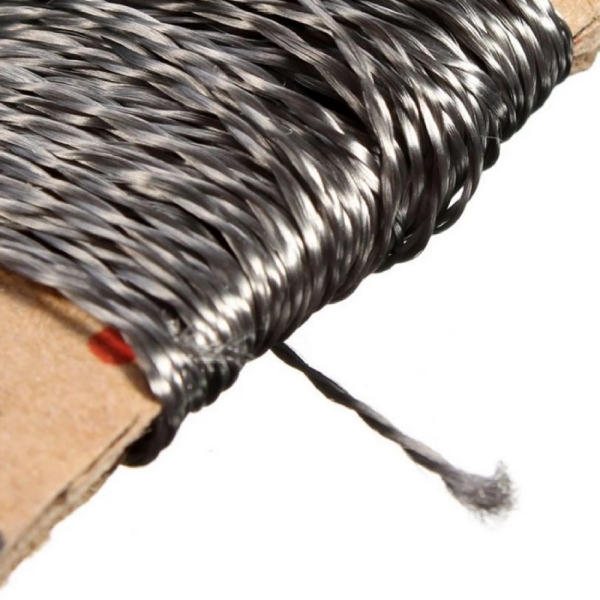
I produttori di giacche isolanti rimovibili, cuscinetti termici e coperture tessili industriali possono prendere in considerazione il filo per cucire in acciaio inossidabile quando è richiesta una cucitura metallica. La domanda è quanto bene quella cucitura mantenga la resistenza richiesta dopo l'esposizione.
Specifica la temperatura sulla linea di cucitura, la durata dell'esposizione, il carico meccanico e la frequenza di riscaldamento e raffreddamento. La temperatura dell'attrezzatura coperta può differire dalla temperatura su una cucitura esterna. Includi gli strati di tessuto e la posizione della cucitura quando richiedi una raccomandazione.
Un punto di fusione non è una classificazione della temperatura di esercizio. L'ossidazione, la perdita di resistenza, le finiture superficiali e i materiali circostanti possono limitare il servizio ben prima che il metallo si sciolga. Il funzionamento continuo e la breve esposizione di picco dovrebbero essere valutati separatamente per la struttura offerta.
Un filo per cucire antistatico necessita di un ruolo definito nell'assemblaggio tessile. Identifica le superfici che deve collegare, l'intervallo di resistenza richiesto e come l'assemblaggio finito si collegherà al sistema di messa a terra previsto.
Un filo a bassa resistenza da solo non stabilisce le prestazioni di controllo statico di un indumento o di una copertura industriale. Cuciture discontinue, scarso contatto tra i pannelli o una terminazione non idonea possono interrompere il percorso. Specifica i test di accettazione sull'articolo finito, incluse eventuali condizioni di lavaggio o abrasione rilevanti per il suo utilizzo.
Il filo conduttivo può essere valutato per interruttori tessili, collegamenti di sensori e altri circuiti a bassa corrente. Inizia con la resistenza consentita e la caduta di tensione del circuito. Quindi considera la lunghezza del filo all'interno del motivo di cucitura, il percorso di ritorno e i collegamenti ai componenti.
Un percorso cucito consuma più filo rispetto alla distanza in linea retta tra i suoi punti finali. I cappi e la formazione del punto aggiungono lunghezza, mentre i contatti aggiungono resistenza. Definisci sia la resistenza per metro del filo fornito che la resistenza end-to-end accettabile del circuito assemblato.
Il termine “conduttivo” conferma una caratteristica del materiale; non ti dice se un particolare filo soddisfa i tuoi requisiti di progettazione. Per il filo per cucire elettricamente conduttivo, richiedi la resistenza in ohm per metro (Ω/m), la tolleranza e le condizioni di misurazione.
Come prima stima, moltiplica la resistenza per metro per la lunghezza effettiva del filo nel percorso. Ad esempio, un filo ipotetico classificato a 10 Ω/m contribuirebbe per circa 5 Ω su 0,5 m, prima di aggiungere la resistenza di connessione. Questo è un esempio di calcolo, non una specifica di prodotto BSTFLEX.
Registra la lunghezza del campione, la temperatura di prova, la tensione applicata e il metodo di contatto quando confronti le misurazioni. Se il design dipende da una bassa resistenza, è necessario tenere conto anche dei cavi di misurazione e della resistenza di contatto. Utilizza un metodo di accettazione della produzione concordato che possa essere ripetuto su lotti successivi.
La capacità di corrente richiede una valutazione separata. Il valore Ω/m di un filo da solo non stabilisce una corrente operativa sicura, in particolare all'interno di una pila di tessuto che può trattenere il calore.
Il grado della lega identifica il metallo, ma non descrive completamente un filo per cucire. Stabilisci se il prodotto quotato è un filato in fibra inossidabile, una struttura multifilamento continua o un filo ibrido con un rivestimento tessile.
Queste differenze influenzano la manipolazione, il comportamento alla flessione, l'abrasione e il contatto elettrico. Una finitura che migliora la cucitura può anche influenzare il contatto con un'altra superficie conduttiva. Richiedi dettagli sulla struttura e sulla finitura quando la cucitura ha una funzione elettrica.
Per una specifica esistente di filo per cucire in acciaio inossidabile 304, cita esattamente il grado. Se stai considerando 316L o un'altra alternativa, descrivi l'ambiente di esposizione e richiedi una valutazione separata. Una sostituzione di grado non dovrebbe essere trattata come prova di uguale resistenza, resistenza elettrica o cucibilità del filo.
Laddove l'applicazione richieda principalmente cuciture resistenti al calore, confronta le strutture disponibili all'interno della gamma BSTFLEX gamma di fili per cucire ad alta temperatura. Seleziona il materiale in base al sistema di tessuto, ai requisiti della cucitura e alle condizioni operative.
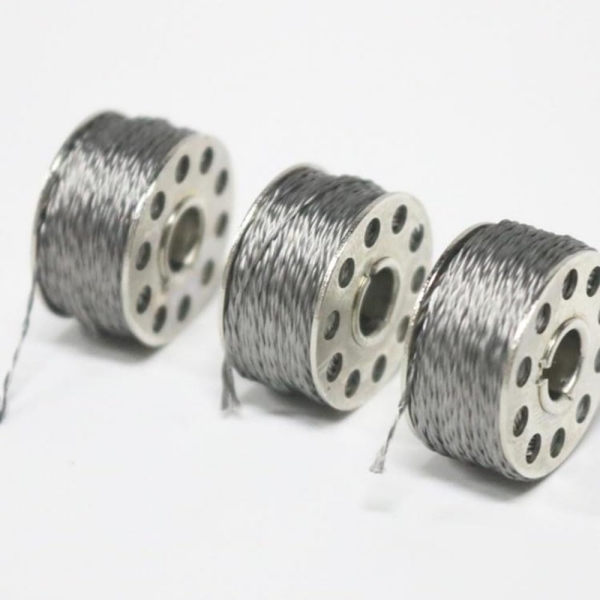
Se un disegno non contiene ancora questi dettagli, un campione di filo esistente e un componente cucito rappresentativo sono punti di partenza utili. Spiega cosa funziona nel design attuale e cosa deve migliorare, come la rottura del filo, la scarsa tenuta della cucitura o il contatto elettrico instabile.
Una breve prova di produzione dovrebbe utilizzare la macchina, l'ago, il motivo di cucitura e la pila di materiale completa previsti. Ispeziona il percorso del filo per verificare la presenza di guide ruvide, bave e curve strette. Regola la tensione e la velocità durante la prova, quindi registra le impostazioni che producono punti coerenti.
Controllare la presenza di filamenti spezzati, punti saltati, danni al tessuto e distorsioni attorno alla cucitura. Aumentare la dimensione del filo può modificare i requisiti dell'ago e l'effetto sul tessuto, pertanto un filo più robusto non crea automaticamente una cucitura finita più resistente.
Per un prodotto termico, valutare le prestazioni della cucitura dopo un'esposizione al calore rappresentativa. Per un assemblaggio conduttivo, misurare la continuità e la resistenza dopo i cicli di piegatura, manipolazione o pulizia pertinenti. Registrare la costruzione del campione in modo che le consegne successive possano essere confrontate con la versione approvata.
Può fungere da conduttore in un circuito tessile progettato in modo appropriato, ma il filo conduttivo nudo non possiede un isolamento elettrico intrinseco. La spaziatura del circuito, le terminazioni, i limiti di corrente e la protezione devono essere progettati per l'intero assemblaggio.
La compatibilità dipende dalla costruzione del filo, dall'ago, dal sistema di tensione, dal meccanismo di trasporto e dallo spessore del tessuto. Approvare una prova di cucitura rappresentativa invece di presumere la compatibilità dal nome della lega.
No. La conformità dipende dal prodotto finito, dai suoi percorsi conduttivi e dai requisiti di test applicabili. La resistenza del filo è solo uno degli elementi del design.
Inviare i materiali e lo spessore del tessuto, i requisiti di cucitura, le condizioni di servizio e la funzione meccanica o elettrica. Includere un disegno, un campione attuale o fotografie chiare dell'assemblaggio, ove possibile.
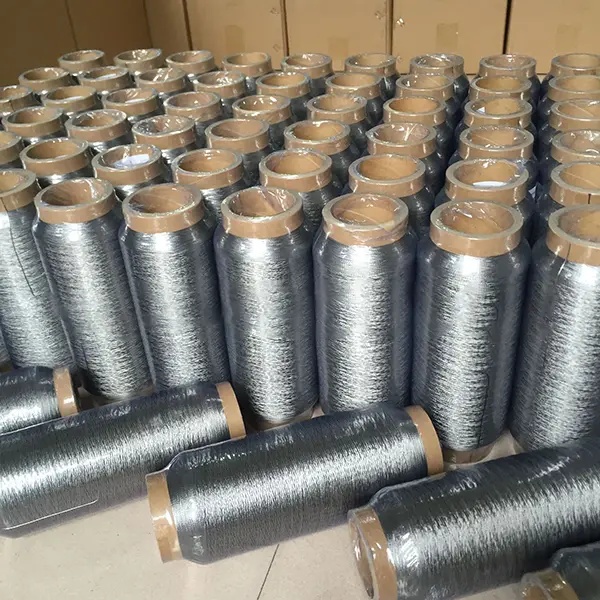
Per filo per cucire conduttivo in acciaio inossidabilerichieste, inviare l'applicazione, i requisiti della lega, la dimensione del filo o un campione di riferimento, la resistenza richiesta e le condizioni di servizio. Aggiungere il metodo di cucitura, la preferenza per la bobina e la quantità d'ordine stimata.
Se il filo deve svolgere sia funzioni strutturali che elettriche, indicare entrambi i requisiti. Richiedere la specifica proposta e un campione di prova in modo che il proprio team possa valutare il comportamento di cucitura, le prestazioni della cucitura e la continuità elettrica prima dell'approvazione della produzione.

 English
 français
 Deutsch
 русский
 español
 português
 Nederlands
 العربية
 日本語
日本語 한국의
한국의 Türkçe
 Polski
 Tiếng Việt
 slovenský
 Indonesia