English
 français
 Deutsch
 русский
 español
 português
 Nederlands
 العربية
 日本語
日本語 한국의
한국의 Türkçe
 Polski
 Tiếng Việt
 slovenský
 Indonesia



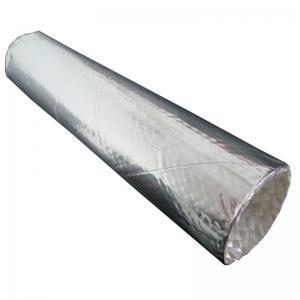
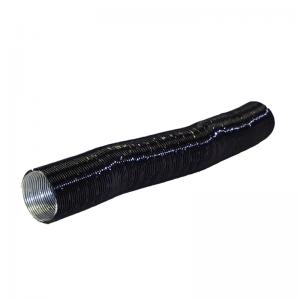
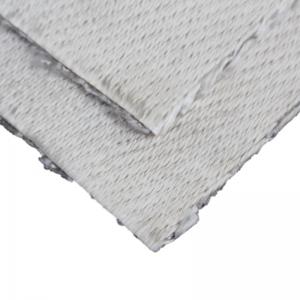
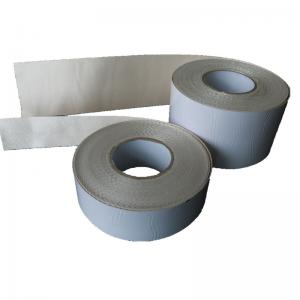
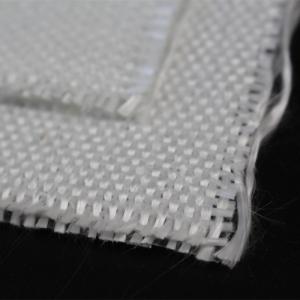
Produttore di giunti di dilatazione in tessuto su misura per sistemi di canalizzazione industriale.
I sistemi di canalizzazione industriale raramente operano in condizioni identiche. Le dimensioni dei condotti, la temperatura del gas, la pressione, il movimento, il carico di particolato, l'esposizione a sostanze chimiche e la disposizione delle apparecchiature possono variare sostanzialmente da un'installazione all'altra. Per questo motivo, ungiunto di dilatazione in tessuto personalizzatoLa progettazione dovrebbe basarsi sui dati operativi effettivi, anziché essere effettuata solo in base alla dimensione nominale del condotto.
BSTFLEX producegiunti di dilatazione in tessuto non metallico su misuraPer condotti industriali per aria calda, scarico, fumi e gas di processo. È possibile realizzare configurazioni rotonde, rettangolari, quadrate e non standard in base ai disegni del cliente, alle dimensioni dei giunti esistenti e alle condizioni operative del progetto.
La nostra gamma di produzione comprende cinghie flessibili, strutture in tessuto multistrato, giunti isolati, giunti di dilatazione di ricambio e assemblaggi completi per apparecchiature OEM, nuove installazioni, progetti di manutenzione e sostituzioni durante fermi impianto.
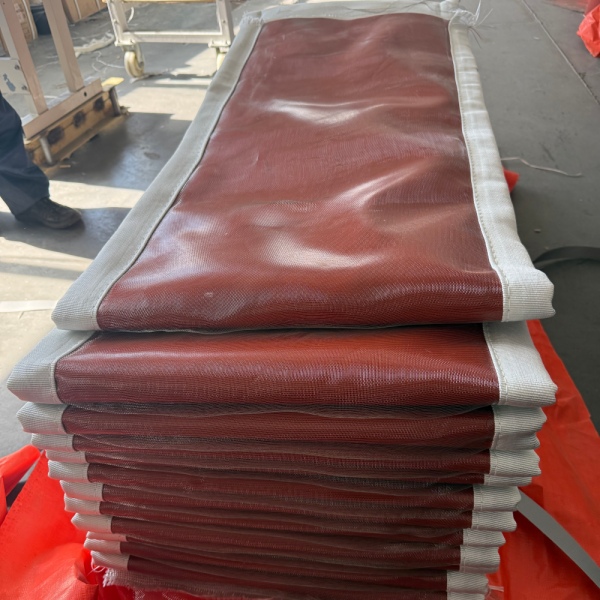
Giunti di dilatazione in tessuto realizzati attorno al sistema di condotti
Un giunto di dilatazione in tessuto non è semplicemente un pezzo di tessuto resistente alle alte temperature installato tra due flange. In un sistema di condotti industriali, la sezione flessibile deve interagire con le apparecchiature circostanti, assecondando i movimenti necessari e mantenendo adeguate prestazioni di tenuta e termiche.
La progettazione potrebbe dover tenere conto di:
- Compressione ed estensione assiale
- spostamento laterale orizzontale e verticale
- Movimento angolare
- Movimento multidirezionale combinato
- Ciclo termico
- Vibrazione dell'impianto
- pressione positiva o negativa del condotto
- Esposizione a gas caldo
- Condense di umidità e sostanze chimiche
- Polvere, ceneri volanti e particelle abrasive
- Disallineamento dell'installazione
BSTFLEX valuta queste condizioni prima di determinare il sistema di materiali flessibili, la geometria, la disposizione dell'isolamento e la struttura di fissaggio.
Capacità di produzione personalizzata
I giunti di dilatazione industriali presentano spesso dimensioni e requisiti operativi che non corrispondono a quelli standard di catalogo. BSTFLEX offre supporto per la produzione su misura, sia per nuove apparecchiature che per la sostituzione di componenti.
| Requisiti di produzione | Personalizzazione disponibile |
|---|---|
| Forma | Geometria rotonda, rettangolare, quadrata e speciale |
| Dimensioni | Realizzato su misura in base alle dimensioni del condotto o al disegno del cliente. |
| Lunghezza faccia a faccia | Personalizzabile in base allo spazio di installazione e al movimento |
| Elemento flessibile | Costruzione monostrato o multistrato ingegnerizzato |
| Materiali | Fibra di vetro, fibra di vetro rivestita, materiali a base di PTFE, tessuti rivestiti in silicone, tessuti di silice e materiali isolanti |
| Movimento | Movimento assiale, laterale, angolare o combinato |
| Allegato | Disposizione a cinghia, flangiata o specifica per il progetto. |
| Protezione interna | Rivestimenti, strati protettivi e sistemi di isolamento ove necessario |
| Tipo di produzione | Prototipo, sostituzione, OEM e quantità di produzione |
Giunti di dilatazione rotondi per tessuti
I giunti di dilatazione in tessuto di forma rotonda vengono comunemente installati in condotti cilindrici, collegamenti di ventilatori, sistemi di aspirazione e linee di aria compressa per processi industriali.
Per un giunto circolare personalizzato, i dati di progettazione includono in genere il diametro del condotto, la dimensione di ingombro, il movimento, la temperatura di esercizio, la pressione e il fluido di processo. La struttura flessibile può quindi essere sviluppata in base all'installazione effettiva, anziché basarsi unicamente sul diametro.
I modelli rotondi possono essere forniti come nastri flessibili o come assemblaggi, a seconda della configurazione dei condotti esistente del cliente.
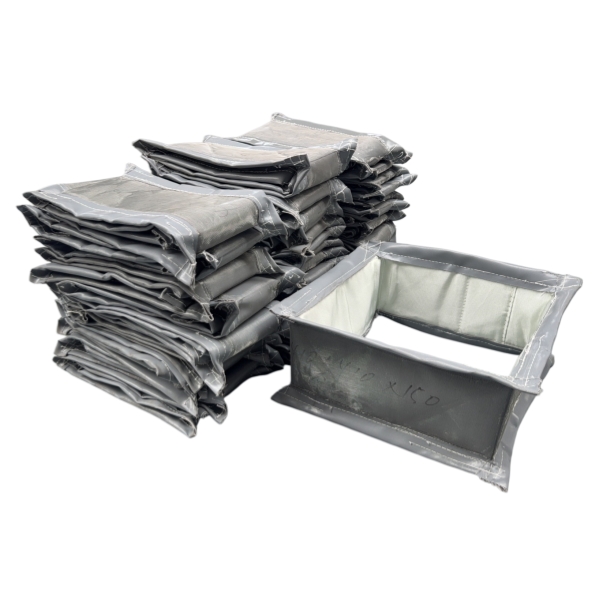
Giunto di dilatazione rettangolare in tessuto
Grandi caldaie, forni, sistemi di trattamento dell'aria, apparecchiature per la generazione di energia e impianti di processo utilizzano frequentemente condotti rettangolari.
UNgiunto di dilatazione rettangolare in tessutorichiede particolare attenzione alla geometria degli angoli perché i quattro angoli e i lati rettilinei reagiscono in modo diverso al movimento del condotto.
Per applicazioni rettangolari, BSTFLEX valuta:
- Larghezza e altezza del condotto
- Lunghezza faccia a faccia
- movimento laterale orizzontale
- movimento laterale verticale
- Compressione ed estensione assiale
- Costruzione d'angolo
- Dimensioni della flangia
- configurazione del rivestimento interno
- Direzione del flusso del gas
- Pressione di esercizio
Per una discussione tecnica dettagliata, consultare la nostra guida aGiunti di dilatazione rettangolari in tessuto per condotti industriali.
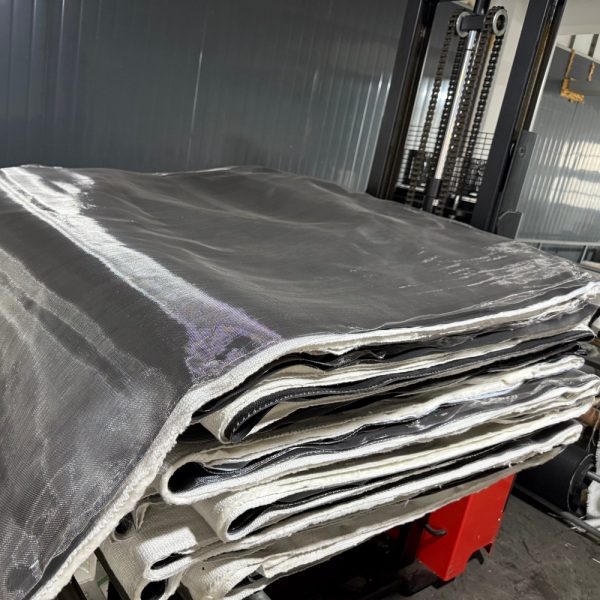
Sistemi di materiali per giunti di dilatazione in tessuto su misura
Non esiste un'unica struttura in tessuto adatta a ogni giunto di dilatazione industriale. La scelta del materiale dipende dalla funzione che ogni strato deve svolgere all'interno dell'assemblaggio complessivo.
Tessuto in fibra di vetro
I tessuti in fibra di vetro possono fornire rinforzo e resistenza termica in numerose applicazioni per condotti industriali. Diverse trame, pesi e trattamenti superficiali possono essere valutati in base ai requisiti meccanici e termici del giunto.
Tessuto rivestito in silicone
La fibra di vetro rivestita in silicone può essere presa in considerazione quando flessibilità, resistenza agli agenti atmosferici e prestazioni di tenuta sono importanti nell'intervallo di temperatura applicabile alla costruzione selezionata.
Tessuto a base di PTFE
I materiali a base di PTFE possono essere incorporati laddove l'elemento flessibile richieda resistenza a fluidi di processo aggressivi o uno strato di tenuta ai gas adeguato.
Tessuto di silice
Per ambienti termici esigenti, il tessuto in silice può essere considerato parte di un sistema multistrato in cui l'esposizione ad alte temperature richiede una protezione termica aggiuntiva.
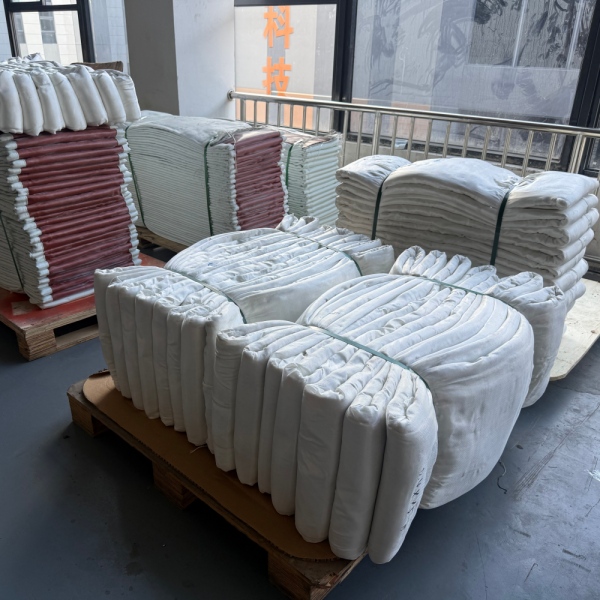
BSTFLEX produce e lavora una vasta gamma ditessuti ad alta temperaturaCiò consente di valutare il pacchetto di materiali flessibili in base all'applicazione, anziché trattare la cinghia in tessuto come un componente generico.
Perché la costruzione multistrato è spesso necessaria
Un'applicazione complessa per la realizzazione di condotti industriali potrebbe richiedere l'impiego combinato di diversi materiali, anziché un unico tessuto in grado di svolgere tutte le funzioni.
Un giunto di dilatazione multistrato può essere progettato in modo che i diversi componenti forniscano:
- Sigillatura a gas
- Rinforzo meccanico
- Isolamento termico
- Protezione dalle alte temperature
- resistenza chimica
- Protezione dall'abrasione
La sequenza esatta degli strati deve essere determinata dalle condizioni di processo. La sola temperatura massima del gas non è sufficiente per specificare completamente il giunto di dilatazione.
Giunti di dilatazione per tessuti ad alta temperatura
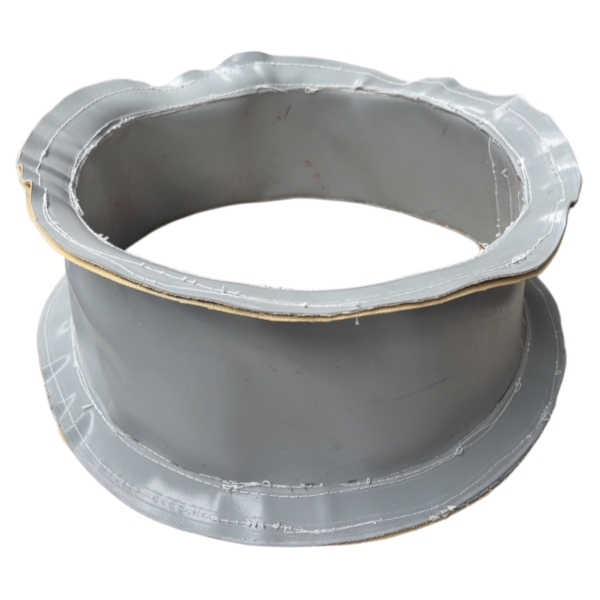
I sistemi di canalizzazione ad alta temperatura richiedono più della semplice scelta di un tessuto con una classificazione di temperatura pubblicata.
Il produttore del giunto di dilatazione deve conoscere la normale temperatura di esercizio, nonché le condizioni massime o di anomalia, la durata dell'esposizione, la velocità del gas, la disposizione dell'isolamento e la temperatura che effettivamente raggiunge ogni strato dell'elemento flessibile.
In alcune applicazioni, gli strati isolanti e la protezione interna della superficie calda possono ridurre il carico termico che raggiunge i materiali di tenuta e rinforzo esterni.
BSTFLEX può valutare le costruzioni ad alta temperatura utilizzando combinazioni di tessuti tecnici, tessuti spalmati,Tessuto in silice ad alta temperatura al 96%Componenti isolanti e di protezione in base alle esigenze del progetto.
Giunti di dilatazione in tessuto per condotti di scarico fumi
I sistemi di evacuazione dei fumi possono esporre un giunto di dilatazione a una combinazione di calore, umidità, agenti chimici, particolato e cicli termici continui.
I punti di installazione tipici possono includere:
- Condotti della caldaia
- Connessioni del preriscaldatore dell'aria
- Collegamenti dei tifosi di draft indotto
- Condotti del precipitator elettrostatico
- sistemi di filtrazione a maniche
- Sistemi di desolforazione dei gas di scarico
- Spugne abrasive
- Connessioni dello stack
- Condotti di scarico industriali
Per queste applicazioni, la composizione chimica del gas e le condizioni del particolato possono essere importanti quanto la temperatura. Potrebbe inoltre essere necessario un rivestimento protettivo o un'altra protezione interna laddove un'elevata velocità del gas o particelle abrasive potrebbero attaccare direttamente l'elemento flessibile.
Sistemi di canalizzazione a pressione positiva e negativa
Quando si richiede un giunto di dilatazione personalizzato, è necessario includere i dati relativi alla pressione.
Alcuni condotti industriali funzionano in pressione positiva, mentre i sistemi di aspirazione forzata e di estrazione possono funzionare in pressione negativa. Queste condizioni influenzano il comportamento dell'elemento flessibile durante il funzionamento.
Fornire sia la pressione di esercizio normale sia la pressione di progetto o massima, ove disponibili. L'unità di misura della pressione deve essere chiaramente indicata sul disegno o sulla richiesta di offerta.
Il movimento è un elemento fondamentale del progetto, non un ripensamento successivo.
Uno dei motivi principali per cui si utilizza un giunto di dilatazione in tessuto è la sua capacità di adattarsi ai movimenti esercitando al contempo forze di reazione relativamente basse sulle condotte adiacenti.
Tuttavia, affermare che un giunto di dilatazione è "flessibile" non è sufficiente ai fini della produzione.
La richiesta di offerta (RFQ) dovrebbe definire numericamente il movimento richiesto, ove possibile:
| Movimento | Informazioni da fornire |
|---|---|
| Compressione assiale | Massima compressione dalla posizione di installazione |
| Estensione assiale | Estensione massima dalla posizione di installazione |
| orizzontale laterale | Offset orizzontale massimo |
| Verticale laterale | Offset verticale massimo |
| Angolare | Spostamento angolare richiesto, ove applicabile |
| Movimento combinato | Indicare se i movimenti avvengono simultaneamente |
Per i progetti in cui i dati relativi al movimento non sono ancora stati definiti, l'ingegnere responsabile del sistema di canalizzazione dovrebbe determinare la dilatazione termica prevista e lo spostamento delle apparecchiature prima della selezione definitiva dei giunti.
Giunti di dilatazione in tessuto di ricambio
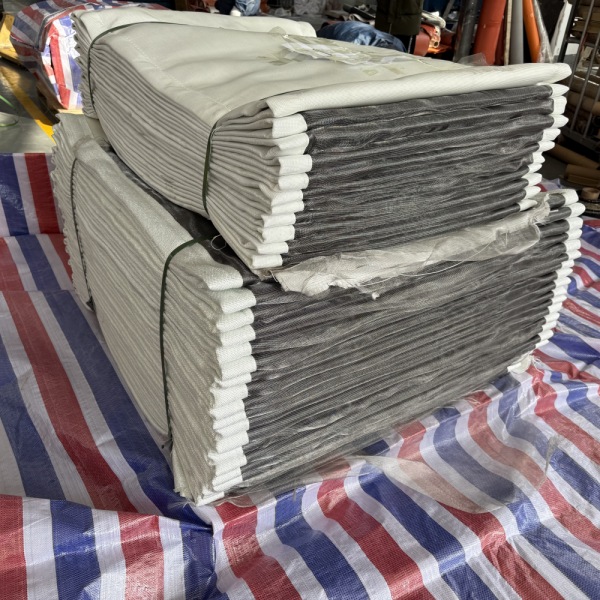
Non tutti i progetti di sostituzione dispongono di un disegno originale del giunto di dilatazione.
BSTFLEX è in grado di valutare i requisiti di sostituzione utilizzando le informazioni dimensionali e operative disponibili. A seconda del progetto, le informazioni di riferimento utili possono includere:
- Fotografie dei giunti di dilatazione esistenti
- Dimensioni complessive del condotto
- Misurazione faccia a faccia
- Dimensioni della flangia
- Dimensioni e spaziatura dei fori per i bulloni
- Dimensioni della cinghia esistente
- Disposizione del rivestimento esistente
- Informazioni sul materiale
- Temperatura di esercizio normale e massima
- Pressione
- Mezzo di processo
- Movimento richiesto
Un campione fisico può essere utile anche per alcuni progetti di sostituzione, in particolare quando è difficile documentare la geometria dell'elemento flessibile o del fissaggio esistente.
Produttore di giunti di dilatazione in tessuto su misura per progetti OEM.
I requisiti degli OEM sono diversi da quelli per le sostituzioni di manutenzione una tantum. I produttori di apparecchiature possono richiedere dimensioni ripetibili, materiali di costruzione definiti, controllo dei disegni, requisiti di imballaggio e uniformità di produzione tra ordini multipli.
BSTFLEX offre servizi di produzione OEM e di progetto per clienti industriali che necessitano di componenti tessili termici personalizzati e giunti di dilatazione non metallici.
Il supporto alla produzione può includere:
- Produzione su disegno del cliente
- Sviluppo del prototipo
- personalizzazione basata su campioni
- Supporto alla selezione dei materiali
- Dimensioni e geometria personalizzate
- Requisiti per etichette private e imballaggi speciali
- Produzione in serie per progetti OEM
Applicazioni nei sistemi di canalizzazione industriale
I giunti di dilatazione in tessuto su misura possono essere presi in considerazione ovunque sia necessario gestire fluidi gassosi, dilatazioni termiche e vibrazioni delle apparecchiature in condotti industriali a bassa pressione.
| Industria | Posizioni tipiche dei giunti di dilatazione |
|---|---|
| Generazione di energia | Condotti della caldaia, condotti dei fumi, preriscaldatori dell'aria, ventilatori, sistemi di desolforazione dei fumi |
| Cemento | Condotti per forni, condotti per aria di processo, sistemi di gestione delle polveri |
| Acciaio e metallurgia | Condotti di riscaldamento, sistemi di scarico, apparecchiature per la movimentazione di gas caldi |
| Forni industriali | Connessioni per aria calda e scarico |
| Controllo dell'inquinamento atmosferico | Filtri a maniche, scrubber, precipitatori e condotti per gas di processo |
| Ventilatori e soffiatori | Connessioni di ingresso e uscita del condotto |
| Apparecchiature di processo | Sistemi di trattamento dell'aria calda e del gas a ciclo termico |
Cosa dovrebbe includere un disegno di un giunto di dilatazione in tessuto?
Un disegno tecnico chiaro riduce i tempi di preventivazione e aiuta a prevenire ipotesi errate durante la produzione.
Ove possibile, includere:
- Diametro o larghezza del condotto × altezza
- Dimensione faccia a faccia
- Larghezza e spessore della flangia
- diametro del foro del bullone
- Distanza tra i fori dei bulloni
- Direzione del flusso
- dimensioni interne del rivestimento
- Disposizione dell'isolamento
- Direzione di movimento
- Orientamento di installazione
Per i giunti rettangolari, le viste frontale e laterale sono particolarmente utili. Per configurazioni complesse, è preferibile utilizzare file CAD o PDF quotati.
Dati tecnici necessari per un preventivo
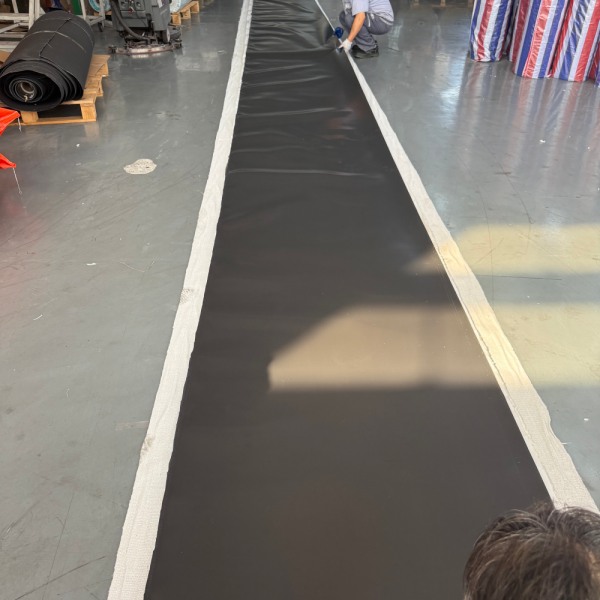
L'invio di dati operativi completi consente al produttore di valutare il giunto di dilatazione come un componente progettato, anziché basare il preventivo unicamente sulle sue dimensioni.
| Articolo della richiesta di offerta | Informazioni richieste |
|---|---|
| Applicazione | Caldaia, forno, ventilatore, gas di scarico, impianto di cemento o altro sistema |
| Forma | Rotondo, rettangolare, quadrato o speciale |
| Dimensioni | Diametro o larghezza × altezza |
| Faccia a faccia | Lunghezza installata |
| Temperatura di esercizio | Temperatura continua normale |
| Temperatura massima | Temperatura massima e durata dell'esposizione |
| Pressione | Pressione di esercizio e di progetto, positiva o negativa |
| Mezzo di processo | Aria calda, gas di scarico, gas di combustione o altra composizione gassosa |
| Movimento | Requisiti assiali, laterali e angolari |
| Velocità del gas | Velocità operativa, ove nota |
| Particelle | Polvere, ceneri volanti o solidi abrasivi |
| Ambiente | Interni, esterni, umidi, polverosi o esposti a sostanze chimiche |
| Quantità | Prototipo, sostituzione o quantità di produzione |
| Disegno | CAD, PDF, schizzo o dettagli di giunzione esistenti |
Perché scegliere BSTFLEX per i giunti di dilatazione in tessuto su misura?
BSTFLEX combina la lavorazione tecnica dei tessuti con la capacità di fabbricazione su misura per applicazioni di protezione termica industriale. Ciò risulta particolarmente utile per i giunti di dilatazione dei tessuti, poiché l'elemento flessibile stesso è una parte ingegnerizzata fondamentale dell'assemblaggio.