English
 français
 Deutsch
 русский
 español
 português
 Nederlands
 العربية
 日本語
日本語 한국의
한국의 Türkçe
 Polski
 Tiếng Việt
 slovenský
 Indonesia



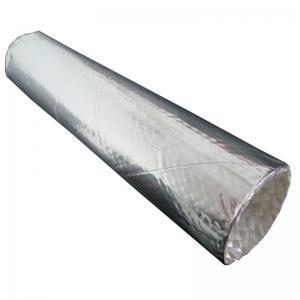
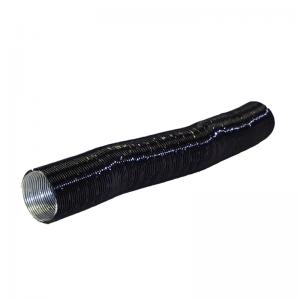
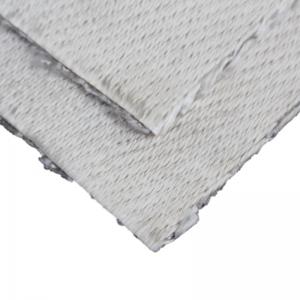
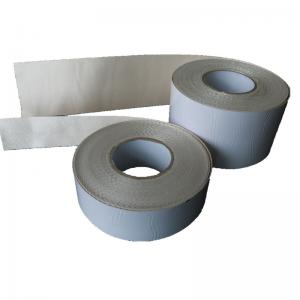
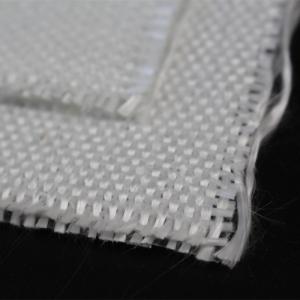
Guarnizione a girino per porte di forni industriali: guida alla selezione, sostituzione e OEM
Le porte dei forni industriali richiedono qualcosa di più di una semplice striscia resistente al calore. La guarnizione deve mantenere il contatto lungo l'intera apertura, gestendo al contempo cicli di chiusura ripetuti, espansione termica, sbalzi di temperatura e possibili variazioni nel telaio della porta.
Una guarnizione a girino per porte di forni industriali utilizza un profilo a bulbo e coda per separare la funzione di tenuta da quella di montaggio. Il bulbo comprimibile entra in contatto con il telaio della porta, mentre la coda fornisce un'area stabile per il fissaggio.
BSTFLEX produce guarnizioni a girino industriali e guarnizioni per porte di forni personalizzate utilizzando fibra di vetro, silice, ceramica, tessuti rivestiti e strutture con anima rinforzata per applicazioni OEM e di sostituzione.
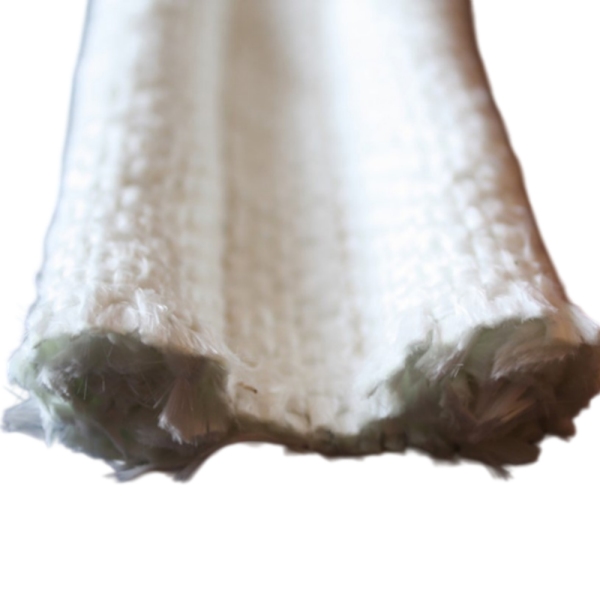
Perché le porte dei forni industriali necessitano del giusto design della guarnizione
I forni industriali funzionano in modo diverso dai normali elettrodomestici. Le loro porte possono aprirsi centinaia o migliaia di volte durante la produzione e la guarnizione deve continuare a fornire un contatto affidabile dopo ripetute compressioni.
Una guarnizione per porta del forno adatta deve considerare:
- Temperatura operativa
- Forza di chiusura della porta
- Distanza di compressione
- Allineamento della porta
- Espansione termica
- Frequenza di apertura
- Condizioni di pulizia
- Esposizione al calore radiante
- Vita utile richiesta
Scegliere solo in base alla temperatura nominale può portare a una sostituzione inadeguata. La costruzione completa, inclusi rivestimento, anima e geometria del profilo, determina le prestazioni della guarnizione.
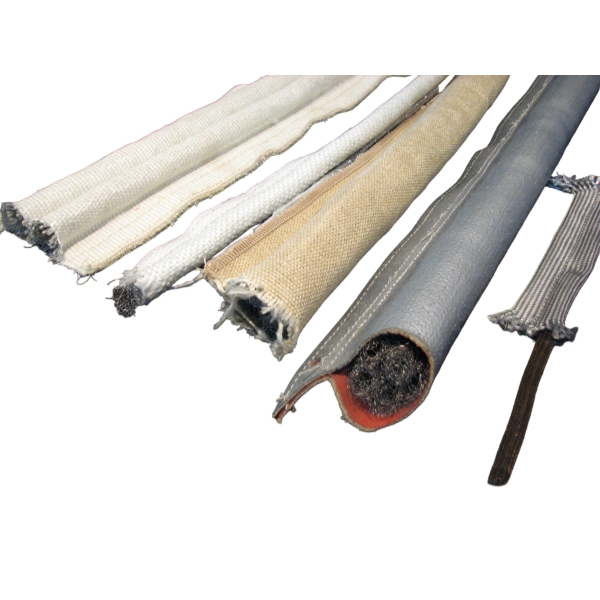
Cos'è una guarnizione a girino per porta del forno?
Una guarnizione a girino è un profilo di tenuta flessibile costituito da un bulbo arrotondato e una coda di montaggio piatta.
| Sezione | Funzione |
|---|---|
| Bulbo | Fornisce l'area di tenuta comprimibile contro il telaio della porta del forno. |
| Anima | Controlla la compressione, il recupero e il supporto strutturale. |
| Rivestimento | Protegge la struttura interna dal calore e dall'esposizione ambientale. |
| Coda | Fornisce l'attacco al telaio del forno,striscia di fissaggio o canale di montaggio. |
Questo design è diverso da un nastro per guarnizioni piatto perché il bulbo crea una zona di compressione dedicata mentre la coda mantiene la guarnizione in posizione.
Come selezionare una guarnizione per porta di forno industriale
1. Misurare lo spazio della porta chiusa
La misurazione più importante non è il diametro della vecchia guarnizione. È lo spazio effettivo disponibile quando la porta del forno è chiusa.
Misurare:
- Spazio di tenuta minimo
- Interstizio massimo di tenuta
- Planarità del telaio della porta
- Condizioni degli angoli
- Spazio di montaggio per la coda
Una guarnizione troppo grande può richiedere una forza di chiusura eccessiva. Una guarnizione troppo piccola potrebbe non mantenere un contatto continuo.
2. Determinare la compressione richiesta
Il bulbo deve comprimersi abbastanza da creare il contatto, pur mantenendo la capacità di recupero.
La compressione richiesta dipende da:
- Dimensioni del bulbo
- Costruzione dell'anima
- Pressione della porta
- Geometria del telaio
- Frequenza di apertura
Un'anima in fibra di vetro, un'anima in acciaio inox e un'anima in metallo cavo possono produrre comportamenti di compressione diversi anche con dimensioni esterne simili.
3. Selezionare il materiale di copertura
L'ambiente di funzionamento del forno determina il materiale di copertura adeguato.
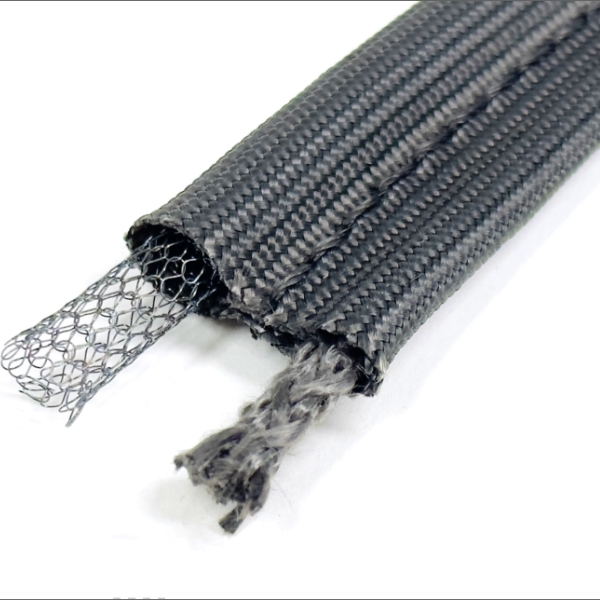
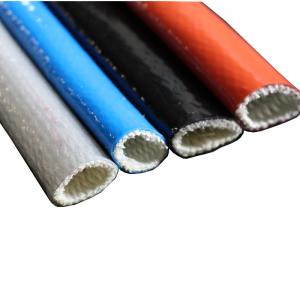
Guarnizione P-profile in fibra di vetro per porte di forni
La fibra di vetro viene comunemente scelta per i forni industriali perché offre una copertura tessuta flessibile con una buona stabilità termica.
BSTFLEX offre diverse costruzioni in fibra di vetro:
- Guarnizione P-profile con copertura in fibra di vetro e anima in fibra di vetro
- Guarnizione P-profile con copertura in fibra di vetro e anima in acciaio inox
- Guarnizione P-profile con copertura in fibra di vetro e anima cava in acciaio inox
Guarnizione in silice per porte di forni
Il tessuto di silice viene utilizzato quando sono richieste prestazioni tessili a temperature più elevate rispetto alle costruzioni standard in fibra di vetro.
Le opzioni in silice includono:
- Guarnizione P-profile con copertura in tela di silice e anima in Inconel
- Guarnizione P-profile con copertura in tela di silice e anima in ceramica
Guarnizione P-profile in ceramica per porte di forni
Le costruzioni in tessuto ceramico sono adatte per apparecchiature di lavorazione termica impegnative in cui la guarnizione è sottoposta a temperature elevate.
- Guarnizione P-profile con copertura in tessuto ceramico e anima in ceramica
- Guarnizione P-profile con copertura in tessuto ceramico e anima in Inconel
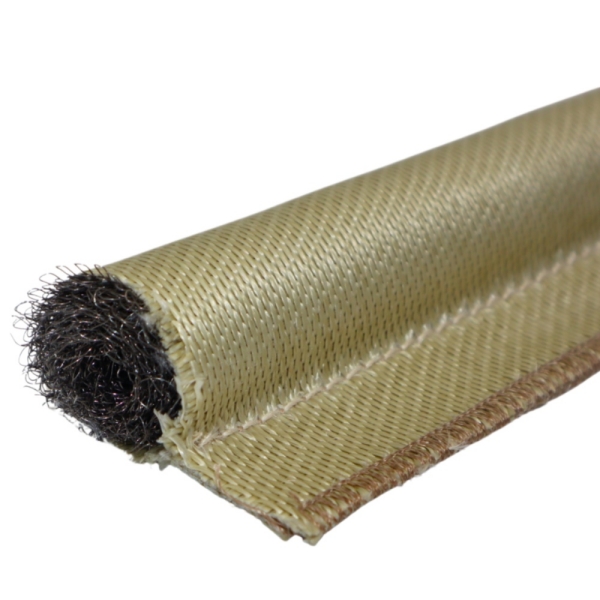
Opzioni per l'anima della guarnizione della porta del forno
L'anima determina come reagisce il bulbo quando viene compresso.
| Tipo di anima | Caratteristiche tipiche |
|---|---|
| Anima in fibra di vetro | Compressione morbida e fless-ibile struttura non metallica. |
| Anima in acciaio inox | Rinforzo interno e supporto strutturale migliorato. |
| Anima cava in acciaio inossidabile | Maggiore comprimibilità e capacità di adattarsi a spazi più ampi. |
| Anima in Inconel | Rinforzo metallico per applicazioni termiche impegnative. |
| Anima in ceramica | Struttura interna non metallica per alte temperature. |
Processo di sostituzione della guarnizione per forni industriali
Passaggio 1: Rimuovere e ispezionare la guarnizione esistente
Registrare:
- Profilo della guarnizione originale
- Materiale di rivestimento
- Struttura dell'anima
- Metodo di montaggio
- Posizione del danno
Passaggio 2: Misurare il profilo originale
Misurare:
- Diametro del bulbo
- Altezza del bulbo
- Larghezza della coda
- Larghezza totale del profilo
- Lunghezza finita
Passaggio 3: Confermare le condizioni operative del forno
Fornire:
- Temperatura continua
- Temperatura massima
- Frequenza del ciclo di riscaldamento
- Atmosfera all'interno del forno
- Prodotti chimici per la pulizia
Passaggio 4: Selezionare la struttura sostitutiva
La sostituzione dovrebbe corrispondere all'applicazione, non solo al vecchio aspetto.
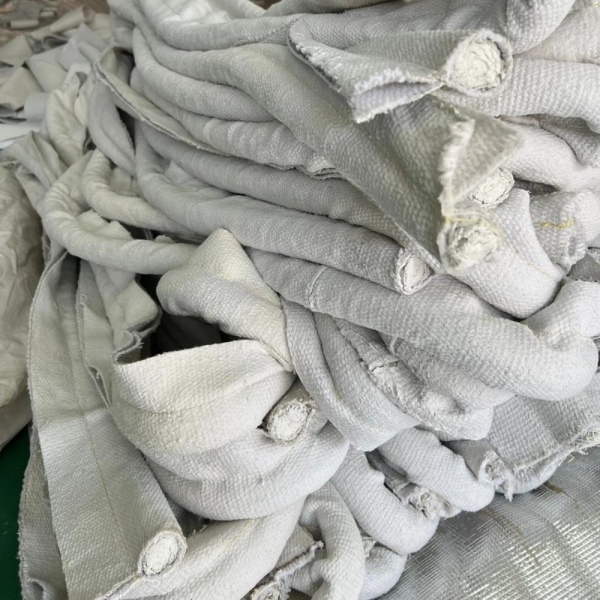
Applicazioni per guarnizioni a girino per forni industriali
- Forni industriali a lotti
- Forni per verniciatura a polvere
- Forni a nastro trasportatore
- Forni per trattamento termico
- Forni di essiccazione
- Forni di polimerizzazione
- Forni a camera (walk-in)
- Camere di riscaldamento industriali
- Apparecchiature per il trattamento termico
- Forni OEM personalizzati
Guarnizione per porta di forno a verniciatura a polvere
I forni a verniciatura a polvere richiedono guarnizioni che tollerino temperature elevate e cicli di produzione ripetuti.
La guarnizione corretta dipende dalla temperatura del forno, dal design della porta, dalle condizioni di contaminazione e dall'intervallo di manutenzione richiesto.
Selezione della guarnizione per forno a tunnel
I forni a tunnel sono spesso soggetti a funzionamento continuo e frequenti cicli termici.
Il design della guarnizione dovrebbe considerare:
- Frequenza di apertura della porta
- Esposizione al calore
- Movimento meccanico
- Programma di manutenzione
Guarnizione per porta di forno a camera
I grandi forni a camera richiedono solitamente una sigillatura perimetrale flessibile attorno alle porte di grandi dimensioni.
Le strutture a nucleo cavo e a nucleo rinforzato possono essere prese in considerazione a seconda della forza di chiusura e della variazione dello spazio.
Produzione di guarnizioni per forni industriali OEM
BSTFLEX supporta i clienti OEM che richiedono una produzione ripetibile di guarnizioni per porte di forni.
Il servizio OEM include:
- Sviluppo di profili personalizzati
- Selezione dei materiali
- Produzione di prototipi
- Approvazione dei campioni
- Produzione in serie
- Ordini ripetuti
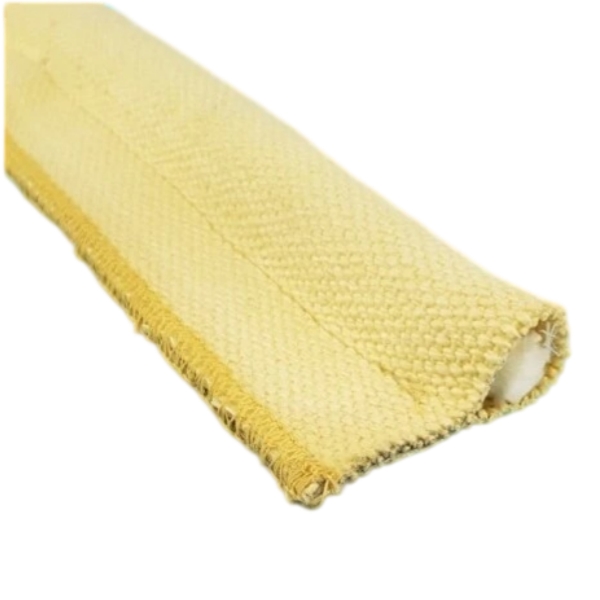
Come richiedere un preventivo per una guarnizione a coda di topo per porta di forno
| Attrezzatura | Tipo di forno e applicazione |
| Profilo | Dimensioni del bulbo, larghezza della coda e dimensioni complessive |
| Materiale | Requisiti di rivestimento e nucleo |
| Temperatura | Temperatura continua e massima |
| Lunghezza | Lunghezza totale della guarnizione o dimensioni del perimetro |
| Quantità | Prototipo e prorequisiti di produzione |
Domande frequenti
Qual è la guarnizione migliore per la porta di un forno industriale?
La guarnizione migliore dipende dalla temperatura del forno, dal design della porta, dai requisiti di compressione e dall'ambiente operativo. Le strutture in fibra di vetro, silice, ceramica e a nucleo rinforzato vengono selezionate in base alle condizioni effettive.
Ogni quanto dovrebbe essere sostituita la guarnizione di un forno industriale?
La frequenza di sostituzione dipende dall'esposizione alla temperatura, dai cicli di apertura, dalla compressione, dalla contaminazione e dalla qualità dell'installazione. Si raccomanda un'ispezione regolare.
BSTFLEX può produrre guarnizioni di ricambio per porte di forni?
Sì. Le guarnizioni di ricambio possono essere prodotte a partire da disegni, campioni, dimensioni o informazioni sull'attrezzatura.
Potete realizzare dimensioni personalizzate per le guarnizioni delle porte dei forni?
Sì. Il diametro del bulbo, la larghezza della coda, la lunghezza, il materiale di rivestimento e la struttura del nucleo possono essere tutti personalizzati.
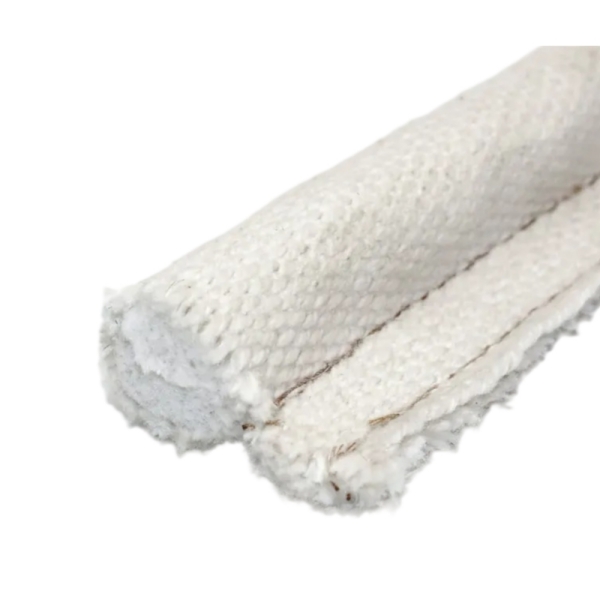
Produttore di guarnizioni a girino personalizzate per porte di forni industriali
BSTFLEX produce guarnizioni a girino personalizzate per porte di forni industriali per produttori di apparecchiature OEM, aziende di manutenzione e utenti industriali.
Per una soluzione personalizzata, fornire:
- Campione della guarnizione esistente
- Disegno
- Modello del forno
- Requisiti di temperatura
- Dimensioni
- Quantità
Contatta BSTFLEX per la produzione di guarnizioni personalizzate per porte di forni.