English
 français
 Deutsch
 русский
 español
 português
 Nederlands
 العربية
 日本語
日本語 한국의
한국의 Türkçe
 Polski
 Tiếng Việt
 slovenský
 Indonesia



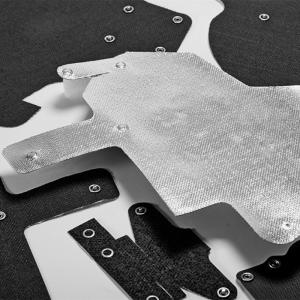
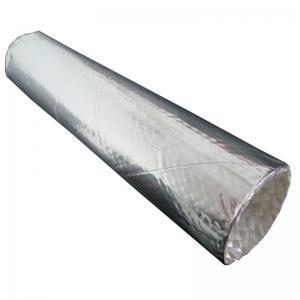
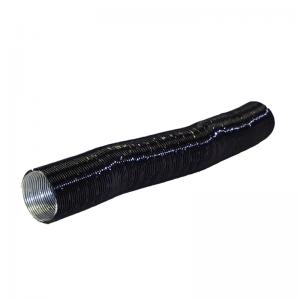
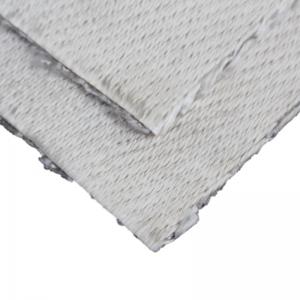
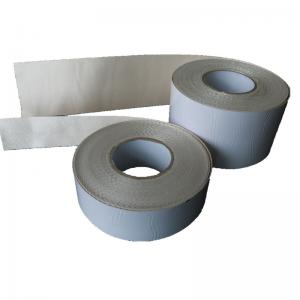
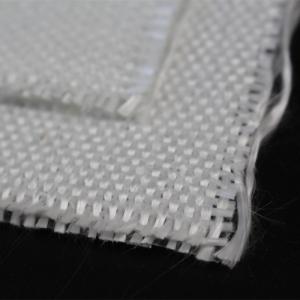
Un nucleo isolante in silice può soddisfare i requisiti termici e risultare comunque difficile da tagliare, posizionare o riadattare. È qui che la scelta tra un materassino agugliato in silice semplice e uno cucito diventa importante: la decisione riguarda il modo in cui il materiale si comporta durante la fabbricazione e l'utilizzo, non semplicemente quanto calore può sopportare la fibra.
Prendi in considerazione il materassino agugliato in silice semplice quando l'assemblaggio supporta l'isolamento e i campioni soddisfano i requisiti di manipolazione. Valuta il materassino agugliato in silice cucito quando il progetto necessita di maggiore integrità meccanica durante il taglio, l'installazione o la manutenzione ripetuta.Nessuna delle due scelte elimina la necessità di verificare il grado della fibra, lo spessore installato e l'assemblaggio completo.
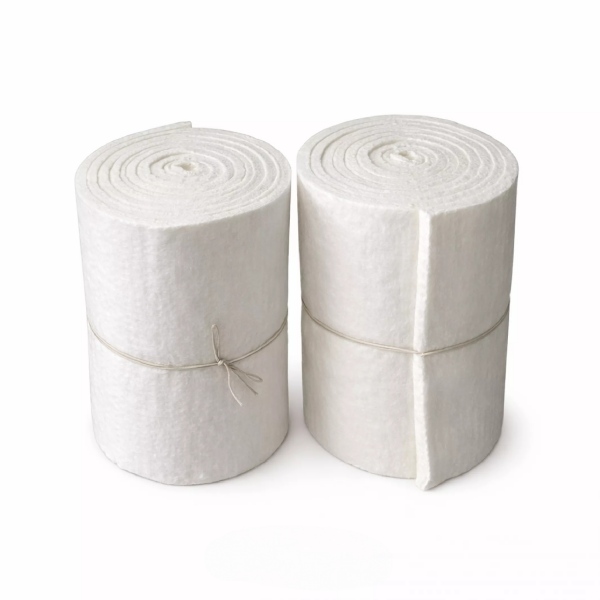
Cosa cambia quando il materassino agugliato in silice è cucito?
Il materassino agugliato in silice semplice è un materiale non tessuto in cui l'agugliatura intreccia meccanicamente le fibre. In questo confronto, "semplice" significa che il materassino non ha alcun rinforzo cucito aggiuntivo. Non significa che le fibre siano sciolte o che il materiale non abbia resistenza meccanica. Il BSTFLEX materassino agugliato in silice semplice è il punto di partenza per questa costruzione.
Una versione cucita aggiunge un sistema di fili di rinforzo al materassino agugliato. Lo scopo è migliorare l'integrità meccanica, come la resistenza alla trazione o alla separazione durante la manipolazione. Il BSTFLEX materassino agugliato in silice cucito fornisce un'opzione separata per i progetti che specificano questa struttura aggiuntiva. Il beneficio deve essere valutato per la combinazione effettiva di materassino e filo, piuttosto che dedotto dalla parola "rinforzato".
Entrambi rimangono materassini isolanti non tessuti. La cucitura non trasforma il nucleo in un tessuto di silice e non è la stessa cosa che cucire una guaina finita attorno a uno strato isolante.
Inizia dall'assemblaggio: tre diverse decisioni
Uno strato isolante supportato all'interno di un pannello
Per un materassino racchiuso tra superfici di supporto e raramente disturbato dopo l'installazione, inizia valutando la costruzione semplice. Verifica se un pezzo tagliato rimane in posizione durante il montaggio e se l'involucro lo trattiene senza spazi vuoti o compressioni inaccettabili. Se il materassino semplice soddisfa tali requisiti, la cucitura aggiuntiva necessita di una giustificazione specifica.
Non rifiutare un materassino semplice altrimenti idoneo solo perché un altro preventivo include il rinforzo. Chiedi cosa migliora la struttura extra in questo particolare pannello.
Una copertura rimovibile che viene aperta per la manutenzione
Per le guaine isolanti rimovibili, chiedi cosa succede al nucleo quando la copertura viene sollevata, ripiegata e riadattata. Prova entrambe le costruzioni quando il design espone l'isolamento a manipolazioni ripetute. Ispeziona per individuare assottigliamenti locali, separazioni o movimenti all'interno del rivestimento, piuttosto che giudicare solo l'aspetto di un rotolo inutilizzato.
Vale la pena valutare la cucitura se le prove di manipolazione rivelano una debolezza che il rinforzo potrebbe risolvere. La copertura necessita comunque di rivestimenti, giunture e ritenzione adeguati. Un nucleo più forte non corregge una sezione non supportata o una chiusura che comprime eccessivamente l'isolamento.
Pezzi tagliati con aperture, sezioni strette o trasferimenti frequenti
Per i pezzi sagomati, confronta i campioni realizzati secondo il disegno effettivo. Includi ponti stretti, fori e ritagli, quindi sposta i pezzi attraverso la sequenza di produzione prevista. Registra le condizioni dei bordi e lo sforzo necessario per posizionare ogni pezzo senza danneggiarlo.
Sui campioni cuciti, ispeziona dove il percorso di taglio attraversa le linee di cucitura. Richiedi chiarimenti sulla direzione della cucitura, sulla spaziatura e su qualsiasi trattamento dei bordi prima di approvare il layout di taglio. Non dare per scontato che il rinforzo garantisca una qualità del bordo identica per ogni profilo.
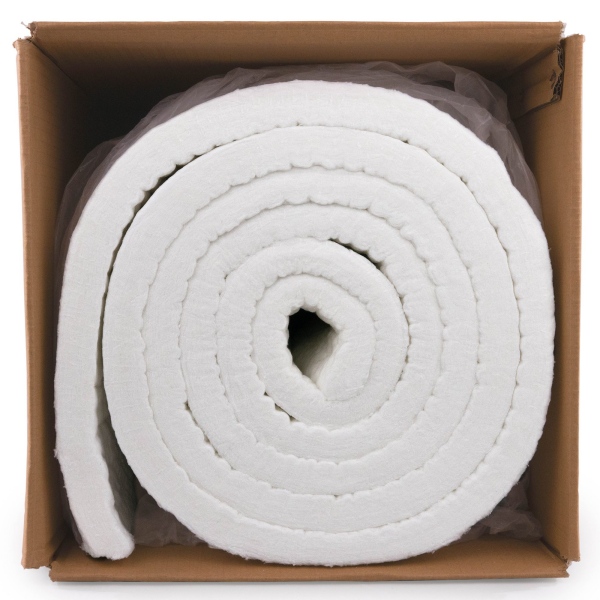
Materassino in silice semplice vs cucito: un confronto per la selezione
| Fattore decisionale | Materassino agugliato in silice semplice | Materassino agugliato in silice cucito |
|---|---|---|
| Struttura del nucleo | Velo di fibra agugliato meccanicamente senza cuciture aggiuntive. | Velo di fibra agugliato con un sistema di fili di rinforzo aggiunto. |
| Supporto dell'assemblaggio | Valuta dove l'involucro o il rivestimento supporta e trattiene il nucleo. | Valuta dove è richiesta una maggiore resistenza alla manipolazione; la ritenzione fa comunque parte del design. |
| Taglio e montaggio | Prova la forma richiesta, le pieghe e la sequenza di manipolazione. | Prova le stesse caratteristiche, inclusi i tagli attraverso la cucitura e l'adattamento locale attorno alle linee di cucitura. |
| Verifiche di resistenza | Conferma che il materassino soddisfi le condizioni richieste di manipolazione e supporto installato. | Conferma che il rinforzo fornisca un miglioramento utile, anche dopo la relativa esposizione al calore. |
| Approvazione termica | Verifica il grado della fibra selezionato, lo spessore, la densità e le condizioni operative. | Verifica gli stessi fattori, oltre al sistema di fili e alla sua funzione richiesta in servizio. |
Questa tabella è un quadro di riferimento, non un'affermazione che due gradi disponibili abbiano chimica, spessore o densità identici. Stabilire una specifica comune prima di attribuire una differenza nelle prestazioni alla sola cucitura.
La stabilità meccanica non è uguale alla stabilità termica
Verificare cosa deve fare il filo di rinforzo dopo il riscaldamento
Un vantaggio nella manipolazione a temperatura ambiente non stabilisce una temperatura di esercizio continuo più elevata. Richiedere il materiale del filo e chiarire se il rinforzo è richiesto solo durante la fabbricazione o se deve rimanere funzionale durante l'esercizio. La sola classificazione della fibra di silice non risponde a tale domanda.
Laddove il rinforzo sia essenziale dopo un riscaldamento ripetuto, includere tale requisito nell'approvazione del campione. Esaminare il materassino e la cucitura dopo l'esposizione concordata, non solo prima. Evitare di accettare una descrizione generica del filo per alte temperature senza la corrispondente identità del materiale e le condizioni di esercizio.
Mantenere il ritiro termico separato dalla resistenza ai danni da manipolazione
Un materassino che resiste alla trazione durante il montaggio può comunque cambiare dimensioni quando riscaldato. Richiedere i risultati del ritiro termico con la temperatura di esposizione, il tempo di mantenimento, la direzione di misurazione e il metodo di prova. Concordare come verrà gestito qualsiasi cambiamento dimensionale in corrispondenza di giunti e bordi.
La cucitura (stitch bonding) e il pre-trattamento termico sono processi diversi. Non dedurre che un materassino cucito sia stato pre-ristretto o che i fili di rinforzo eliminino il ritiro termico della fibra. Qualsiasi requisito di pre-trattamento deve essere specificato e confermato separatamente.
Confrontare i dati termici sulla stessa base
Non dare per scontato che una delle due costruzioni abbia una conducibilità termica inferiore. Richiedere risultati comparabili alla temperatura, densità e spessore installato pertinenti. Verificare inoltre se i valori del peso per unità di superficie descrivono solo l'anima o il materiale rinforzato completo. Un cambiamento nella massa totale non stabilisce, di per sé, un isolamento migliore.
Utilizzare una prova comparativa per prendere la decisione
Selezionare i campioni in base allo stesso requisito termico e documentare eventuali differenze di composizione, spessore e massa per unità di superficie. Tagliare parti rappresentative, montarle utilizzando i supporti previsti e registrare il tempo e la manipolazione necessari. Confrontare le parti accettate piuttosto che l'ordine visivo dei rotoli.
Per una copertura rimovibile, includere la sequenza di apertura e rimontaggio pianificata. Per le apparecchiature vibranti, concordare condizioni di vibrazione rappresentative e ispezionare l'anima trattenuta in seguito. Non utilizzare l'aspetto cucito come prova che un materassino non protetto sia adatto all'esposizione diretta a gas ad alta velocità.
Laddove il comportamento all'invecchiamento termico sia importante, far definire al team di ingegneria o di prova responsabile il ciclo termico e i criteri di accettazione. Registrare spazi vuoti, cambiamenti di spessore, danni ai bordi tagliati, movimento dell'anima e condizioni della cucitura. Queste osservazioni aiutano a stabilire se il rinforzo risolve un problema reale nell'assemblaggio.
Confrontare i costi sulla stessa base di consegna: area utilizzabile per i rotoli o pezzi accettati per le parti tagliate. Includere lo scarto di taglio, il tempo di manipolazione ed eventuali componenti di fissaggio aggiuntivi. Un prezzo del rotolo inferiore o una resistenza dichiarata superiore non costituiscono, di per sé, un confronto d'acquisto completo.
Specificare la costruzione nella richiesta di offerta (RFQ)
Indicare se è necessario un materassino semplice, un materassino cucito o campioni di entrambi rispetto a un disegno di assemblaggio. Includere l'applicazione, il profilo di temperatura, lo spessore, la densità o il peso per unità di superficie, le dimensioni e la quantità. Per l'opzione cucita, richiedere la specifica del filo, la disposizione della cucitura e i dati meccanici disponibili pertinenti al proprio processo di approvazione.
Per i pezzi tagliati su misura, aggiungere la revisione del disegno, le tolleranze e le posizioni delle sezioni strette o delle aperture. Per i rotoli, specificare la larghezza e la lunghezza utilizzabili. BSTFLEX supporta la revisione dell'applicazione e lo sviluppo del campione attraverso i suoi servizi OEM e di produzione personalizzata; confermare la costruzione disponibile e il formato di fornitura prima dell'approvazione della produzione.
Domande che spesso decidono l'ordine
Il materassino in silice cucito è sempre la scelta migliore?
No. Sceglierlo quando il beneficio meccanico verificato è necessario nella fabbricazione o nell'esercizio. Un materassino semplice che soddisfa i requisiti termici, di montaggio e di ritenzione rimane un'opzione valida.
Un'anima cucita elimina la necessità di un rivestimento in tessuto?
Non automaticamente. Definire lo scopo del rivestimento e la protezione richiesta sulla superficie del materassino. Il rinforzo all'interno dell'anima non è prova di protezione dall'abrasione, contenimento delle fibre o una copertura finita sigillata.
La cucitura (stitch bonding) è uguale alla trapuntatura di un rivestimento isolante?
No. La cucitura rinforza il materassino stesso. La trapuntatura è un'operazione di assemblaggio separata che può collegare un rivestimento e strati isolanti. Specificare entrambi quando il componente finito richiede entrambi, piuttosto che trattare un'operazione come prova che l'altra sia inclusa.
Scegliere il materassino in base al lavoro che deve svolgere
Iniziare con materassino agugliato in silice semplice per progetti che possono utilizzare un'anima agugliata supportata. Esaminare il materassino agugliato in silice cucito quando la specifica richiede un'ulteriore integrità meccanica. Per una fibra o una costruzione diversa, utilizzare la gamma di materiali isolanti per alte temperature per confrontare le alternative.
Inviare il disegno di assemblaggio, le condizioni operative e la quantità d'acquisto per richiedere un preventivo per materassino agugliato in silice e una revisione del campione. Prendere la decisione sulla costruzione in base al componente finito, non su un'affermazione generale secondo cui più rinforzo deve essere necessariamente migliore.