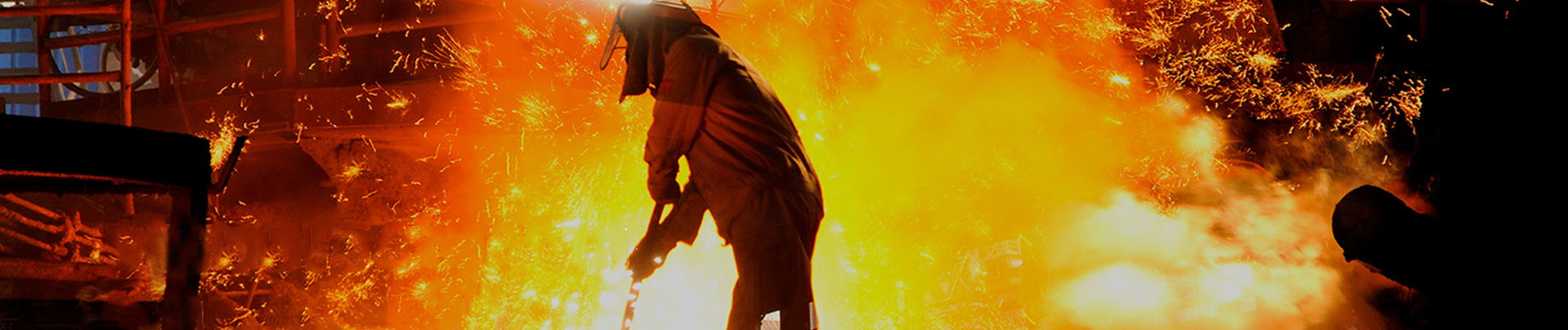
BSTFLEX’s il tessuto di silice intrecciato al 70% ha un limite di temperatura di esercizio dichiarato di 800°C (1472°F), mentre il suo tessuto ad alto contenuto di silice al 96% è specificato per un'esposizione termica continua fino a circa 1000°C (1832°F). Queste cifre si applicano ai prodotti indicati, non a ogni materiale venduto come tessuto di silice e non automaticamente alle loro versioni spalmate o con supporto adesivo.
Una classificazione della temperatura diventa utile solo quando risponde a tre domande: Quale parte del materiale descrive? Quanto durerà l'esposizione? Cosa deve essere ancora in grado di fare il tessuto in seguito?
Per una barriera termica monouso, rimanere intatti durante un'esposizione può essere sufficiente. Per un rivestimento isolante rimovibile, i requisiti possono includere anche il mantenimento delle dimensioni, il supporto delle cuciture e la resistenza a ripetute rimozioni. La stessa cifra di temperatura non descrive adeguatamente entrambi i lavori.
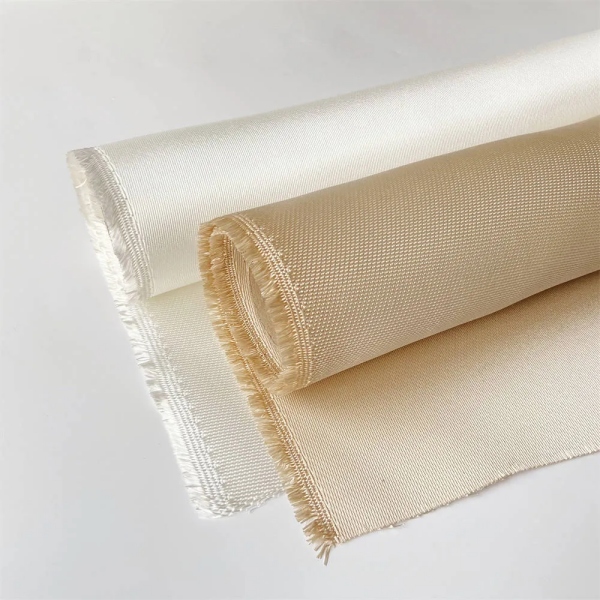
La seguente tabella separa le informazioni sul materiale pubblicate dai dettagli che necessitano ancora di conferma specifica per l'applicazione.
| Tessuto di silice | Informazioni sulla temperatura pubblicate | Cosa confermare prima di specificare |
|---|---|---|
| Tessuto di silice intrecciato al 70% | Temperatura di esercizio fino a 800°C / 1472°F. | Durata dell'esposizione richiesta, cicli di temperatura e proprietà mantenute. Non presupporre una tolleranza di picco superiore non specificata. |
| Tessuto di silice ad alta temperatura al 96% | Esposizione termica continua fino a circa 1000°C / 1832°F. | Idoneità del peso, dell'intreccio e dell'assemblaggio finito selezionati; qualsiasi esposizione al di sopra della classificazione continua. |
| Tessuto ad alto contenuto di silice spalmato con gomma siliconica | La tabella del prodotto distingue 982°C / 1800°F per il tessuto di base da 232°C / 450°F per la spalmatura in silicone. | Temperatura che raggiunge effettivamente la superficie in silicone e se la spalmatura deve mantenere la sua funzione protettiva. |
| Tessuto di silice spalmato con vermiculite | Temperatura di esercizio pubblicata fino a 1000°C / 1832°F. | Condizioni di esposizione, prestazioni della spalmatura e requisiti meccanici del componente finito. |
| Tessuto ad alto contenuto di silice spalmato con alluminio | La pagina corrente descrive il servizio ad alta temperatura e calore radiante senza assegnare un limite numerico di utilizzo continuo. | Limiti approvati per la superficie in alluminio, qualsiasi strato di incollaggio e la costruzione completata. |
| Tessuto di silice con supporto adesivo | I valori di temperatura della silice sono pubblicati, ma non viene identificato un limite di servizio separato per l'adesivo sensibile alla pressione. | Chimica dell'adesivo, temperatura della linea di incollaggio, durata richiesta dell'incollaggio ed eventuale ritenzione meccanica. |
I dati del tessuto semplice provengono dalle specifiche del prodotto BSTFLEX corrispondente. Le voci relative ai prodotti rivestiti preservano la distinzione tra la capacità del substrato e le prestazioni dello strato superficiale. Dovrebbero essere utilizzate come riferimenti per le specifiche, non come approvazione di test per una particolare installazione.
Per un confronto più ampio tra i due gradi semplici, vedere Tessuto di silice 70% vs 96%: quale grado scegliere?.
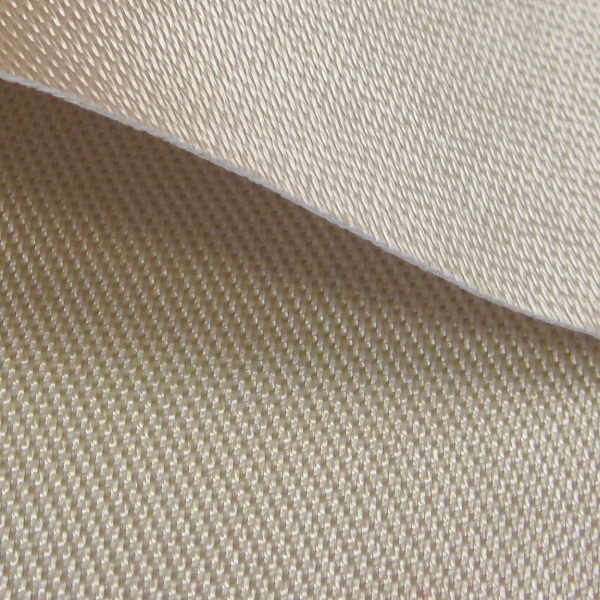
Una classificazione per uso continuo riguarda l'esposizione prolungata. È il punto di partenza per le apparecchiature che rimangono calde durante il normale funzionamento. Non specifica, di per sé, una durata di servizio illimitata o una resistenza a temperatura ambiente invariata.
Una classificazione di picco o intermittente riguarda una diversa condizione di esposizione. Deve essere collegata a una durata, una frequenza di ripetizione e una condizione accettabile dopo l'esposizione. Un valore di picco più elevato non può sostituire la classificazione continua semplicemente perché l'apparecchiatura si riscalda e si raffredda periodicamente. I produttori possono pubblicare temperature operative e di picco separate per lo stesso tessuto di silice.
Un risultato di test alla fiamma descrive il comportamento durante un particolare test. Non è una classificazione della temperatura di servizio continuo. Ad esempio, il test di fiamma verticale valuta caratteristiche come la post-combustione e l'incandescenza residua in condizioni controllate; non stabilisce l'idoneità per ogni esposizione reale al fuoco.
Quando si esamina un preventivo, richiedere che ogni valore di temperatura sia accompagnato dal suo significato. “Temperatura massima: 1200°C” è incompleto a meno che il fornitore non identifichi l'esposizione, la durata e i criteri di accettazione.
La tabella del tessuto BSTFLEX al 96% elenca 1650°C alla voce “punto di fusione”, separatamente dal suo limite di temperatura di lavoro di 1000°C. Tali voci descrivono cose diverse. Il valore più alto non è un'autorizzazione a utilizzare il tessuto continuamente a 1650°C, né stabilisce un'esposizione approvata di breve durata a tale temperatura.
Una barriera termica utile deve fare di più che evitare la fusione. Le sue dimensioni, la continuità e la capacità di rimanere fissata possono essere altrettanto importanti.
Per un componente cucito, chiedere cosa succede al tessuto e alle cuciture dopo il riscaldamento. Per una tenda, chiedere se il restringimento crea spazi vuoti. Per una copertura riutilizzabile, chiedere se può ancora essere rimossa e riposizionata senza danni.
Il criterio di accettazione dovrebbe descrivere la funzione richiesta, non semplicemente se un campione è ancora visibile dopo una dimostrazione di fiamma.
Un setpoint del forno, una misurazione dei gas di scarico o una temperatura di fiamma descrivono la fonte. Non descrivono necessariamente la temperatura del tessuto installato nelle vicinanze.
Si dovrebbero distinguere tre posizioni:
Alla fonte di calore: il gas caldo, la superficie dell'apparecchiatura o la fonte radiante.
Al tessuto: l'esposizione effettiva subita dallo strato tessile selezionato.
Alla superficie protetta: la temperatura raggiunta dall'apparecchiatura o dal materiale dietro la barriera.
Questa distinzione è particolarmente importante nell'isolamento multistrato. Tali assemblaggi possono utilizzare un rivestimento sul lato caldo, uno strato isolante e una copertura esterna, ciascuno con una funzione diversa. Il requisito di temperatura per la copertura esterna dovrebbe essere valutato su quello strato piuttosto che copiato direttamente dall'apparecchiatura calda.
Ne consegue che una classificazione della temperatura del tessuto di silice non stabilisce la temperatura sul lato opposto. Un tessuto che tollera la propria esposizione non ha necessariamente ridotto il trasferimento di calore a sufficienza per proteggere un cavo, una guarnizione o un componente adiacente.
Specificare sia le condizioni operative del tessuto che la temperatura massima accettabile di ciò che protegge.
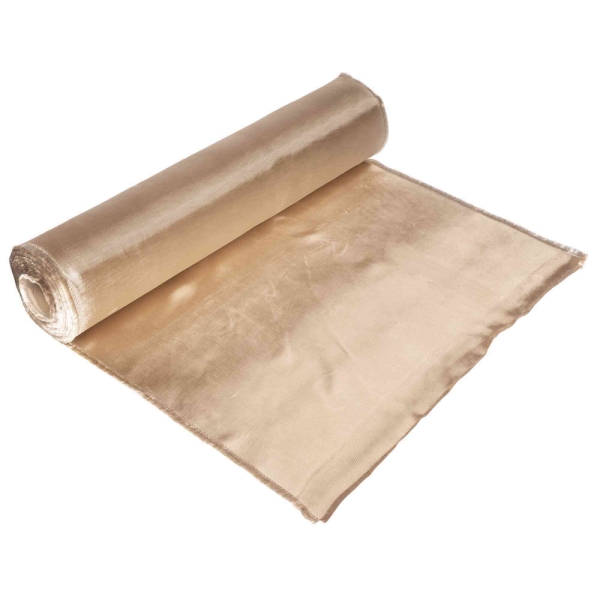
I valori separati pubblicati per il tessuto di silice rivestito in silicone di BSTFLEX illustrano chiaramente il problema: 982°C per il tessuto di base e 232°C per il rivestimento in siliconeUna specifica che richieda che la superficie in silicone rimanga funzionale deve rispettare le condizioni del rivestimento, non solo la capacità del substrato di silice.
Ciò non esclude automaticamente un tessuto rivestito in silicone da un assemblaggio isolante attorno ad apparecchiature più calde. Significa che l'assemblaggio deve mantenere tale strato entro i suoi limiti approvati. Girare semplicemente una faccia rivestita lontano dalla fonte di calore non è prova che rimarrà abbastanza fresca.
Per il tessuto di silice con supporto adesivo, stabilire se l'adesivo sia inteso per trattenere il materiale durante l'assemblaggio o per fornire un fissaggio duraturo durante l'uso.
I valori di temperatura della silice del prodotto non stabiliscono una temperatura approvata per l'adesivo sensibile alla pressione. Le informazioni sulla selezione dei materiali di BSTFLEX distinguono inoltre la limitazione dell'adesivo da quella del tessuto.
Laddove sia richiesto un fissaggio affidabile, richiedere informazioni sulle prestazioni del legame alla temperatura di interfaccia prevista. Non fare affidamento solo sull'adesivo oltre le sue condizioni verificate; valutare un metodo di ritenzione meccanica appropriato con il design del componente.
Un tessuto alluminizzato è destinato ad affrontare il calore radiante. Questo è diverso dal posizionare la sua faccia metallica direttamente contro una superficie calda. Le specifiche pubblicate per i tessuti alluminizzati possono distinguere nettamente tra esposizione radiante e limiti di contatto diretto.
Per il tessuto di silice rivestito in alluminio di BSTFLEX, richiedere i limiti approvati specifici per la costruzione piuttosto che prendere in prestito la classificazione di temperatura del tessuto di silice semplice. Laddove venga utilizzato un laminato, includere lo strato di incollaggio in tale valutazione.
BSTFLEX descrive il suo tessuto di silice rivestito in vermiculite come dotato di caratteristiche di resistenza alle alte temperature e all'abrasione. Il suo limite di esercizio pubblicato rimane 1000°C. La presenza di un trattamento minerale non è, di per sé, prova di una temperatura approvata più elevata.
Per i componenti a uso ripetuto, valutare un campione riscaldato solo mentre rimane indisturbato lascia una domanda importante senza risposta:Funzionerà ancora durante il prossimo ciclo di servizio?
La stabilità dimensionale merita particolare attenzione. I tessuti di silice possono avere un comportamento di restringimento diverso a seconda della loro costruzione e del trattamento; per questo motivo i fornitori distinguono tra prodotti non trattati e pre-ristretti. Ciò non stabilisce una percentuale di restringimento universale per i materiali BSTFLEX.
Prima di approvare un grado, definire le prove richieste per il lavoro previsto.
| Funzione richiesta | Prove da richiedere |
|---|---|
| Mantenere la copertura su un'apertura | Variazione dimensionale in entrambe le direzioni del tessutodopo l'esposizione specificata |
| Rimanere fissato durante l'uso | Condizioni di cuciture, bordi, elementi di fissaggio e aree di attacco dopo il riscaldamento |
| Essere rimosso e riutilizzato | Valutazione della manipolazione e del riadattamento dopo i cicli di riscaldamento e raffreddamento concordati |
| Mantenere un componente adiacente al di sotto del suo limite | Temperatura del lato protetto sotto un'installazione rappresentativa |
| Mantenere un rivestimento o una superficie incollata | Condizioni e prestazioni richieste di tale strato dopo l'esposizione |
| Resistere a un particolare rischio di lavoro a caldo | Un test appropriato per le scintille, le scorie o altre esposizioni effettivamente coinvolte |
Questi sono controlli di qualificazione proposti, non dichiarazioni che ogni prodotto BSTFLEX elencato li abbia già superati.
Anche il termine "pre-ristretto" dovrebbe essere supportato da una condizione di prova e da un risultato di variazione dimensionale residua. La parola da sola non dice a un fabbricante quanto margine lasciare in una parte finita.
Non aumentare il limite di temperatura di esercizio dichiarato semplicemente perché il tessuto è più spesso.
Lo spessore, il peso del tessuto e la stratificazione sono variabili di specifica separate dalla classificazione di temperatura approvata. La gamma BSTFLEX 96% elencata include diversi pesi e spessori, ma le sue informazioni sul prodotto non assegnano un limite continuo più elevato a ogni costruzione più pesante.
Un tessuto più pesante potrebbe valere la pena di essere valutato per un particolare componente, ma la decisione richiede comunque un obiettivo definito. L'obiettivo è migliorare la manipolazione, mantenere la copertura, modificare il trasferimento di calore dell'assemblaggio o estendere il riutilizzo?
Per le prestazioni di isolamento, valutare l'intera costruzione. Un tessuto sul lato caldo, un nucleo isolante e un rivestimento esterno svolgono lavori diversi; aggiungere massa al rivestimento non sostituisce la valutazione del sistema di isolamento.
Considerare quanto seguerichiesta illustrativa: non un risultato di test o un'applicazione approvata:
| Requisito | Esempio specifica |
|---|---|
| Esposizione normale sulla faccia calda del tessuto | 900°C |
| Picco di avvio nella stessa posizione | 1100°C |
| Durata del picco | 60 secondi per avvio |
| Forma finita | Copertura per attrezzature rimovibile e cucita |
| Requisito di riutilizzo | Rimozione e riposizionamento dopo il raffreddamento |
| Requisito del lato protetto | Da stabilire per il componente adiacente |
La condizione normale di 900°C fornisce un motivo per valutare il grado al 96% piuttosto che selezionare il grado al 70% basandosi solo sul prezzo. Tuttavia, l'evento di avvio a 1100°C è superiore al riferimento continuo dichiarato di 1000°C.
Il passo successivo è quindi qualificazione dell'esposizione di picco, non un'ipotesi che "solo un minuto" debba essere accettabile.
Chiedersi se il tessuto selezionato e la copertura completata soddisfino la condizione richiesta dopo l'evento specificato e i ripetuti avvii. Includere le cuciture e i punti di fissaggio nella valutazione. Se non soddisfano il requisito, rivedere la costruzione del materiale o il design termico invece di rietichettare la classificazione continua.
Una richiesta utile descrive l'esposizione nella posizione tessile prevista. Includere temperatura normale, temperatura di picco, durata del picco, frequenza di riscaldamento e raffreddamento e se l'esposizione comporta contatto, radiazione, gas caldi o fiamme.
Aggiungere un disegno o una fotografia dell'applicazione che mostri quale faccia è esposta. Identificare il peso, lo spessore, la larghezza, le dimensioni finite e la quantità del tessuto richiesti. Per un componente fabbricato, spiegare se deve essere rimosso, piegato o riutilizzato e quale condizione deve mantenere dopo il riscaldamento.
Per prodotti rivestiti o con supporto adesivo, indicare quale funzione superficiale deve rimanere: un rivestimento protettivo in silicone, una faccia riflettente o un legame duraturo. Per gli assemblaggi isolanti, includere la temperatura consentita del componente da proteggere.
BSTFLEX fornisce molteplici costruzioni in tessuto di silice e panno ad alto contenuto di silice, consentendo di valutare la richiesta rispetto a più di un'opzione di materiale.
Inviare il profilo termico e i requisiti di fabbricazione tramite la pagina di richiesta BSTFLEX per richiedere una costruzione e un preventivo adeguati.
Una specifica completa non è semplicemente "panno di silice classificato a 1000°C". Identifica il tessuto, l'esposizione, i trattamenti superficiali e le prestazioni che il componente finito deve mantenere.

 English
 français
 Deutsch
 русский
 español
 português
 Nederlands
 العربية
 日本語
日本語 한국의
한국의 Türkçe
 Polski
 Tiếng Việt
 slovenský
 Indonesia