Scegliere tra ungiunto di dilatazione del tessutoe ungiunto di dilatazione metallicoNon si tratta semplicemente di stabilire quale prodotto sia più resistente o quale materiale possa sopportare la temperatura più elevata. La scelta corretta dipende dal funzionamento del sistema, dalla pressione a cui opera, dal fluido che lo attraversa, dalle dimensioni del condotto o della tubazione e dal carico che può essere trasferito alle apparecchiature collegate.
In generale, i giunti di dilatazione in tessuto sono molto efficaci nei sistemi di condotti di grandi dimensioni e a bassa pressione che trasportano aria calda, gas di scarico o fumi, mentre i soffietti metallici sono comunemente scelti per tubazioni e sistemi di processo pressurizzati dove il contenimento della pressione e la resistenza meccanica sono fondamentali.
Il seguente confronto illustra in quali casi ciascun tipo di giunto offre le migliori prestazioni e quali fattori dovrebbero essere valutati prima di specificarne uno.
Decisione rapida:
Scegli ungiunto di dilatazione del tessutoquando l'applicazione prevede condotti di grandi dimensioni, bassa pressione, movimenti laterali o combinati sostanziali, vibrazioni, gas caldi o carichi di reazione ammissibili limitati.
Scegli ungiunto di dilatazione metallicoquando l'applicazione prevede tubazioni pressurizzate, vapore, liquidi, carichi meccanici elevati o un sistema specificamente progettato attorno a soffietti metallici.
| Fattore di selezione | Giunto di dilatazione in tessuto | Giunto di dilatazione metallico |
|---|---|---|
| Servizio tipico | Condotti industriali e fluidi gassosi | Tubazioni, recipienti e sistemi di processo ingegnerizzati |
| Capacità di pressione | Principalmente applicazioni a bassa pressione | Può essere progettato per pressioni notevolmente più elevate |
| Condotti di grandi dimensioni | Molto adatto | Possibile, ma solitamente più complesso dal punto di vista meccanico |
| Movimento assiale | Eccellente se progettato correttamente | Eccellente con una geometria del soffietto adeguata |
| Movimento laterale | Elevata capacità di movimento in configurazioni compatte | Di solito richiede una configurazione del soffietto appropriata |
| Movimento angolare | Può ospitare movimenti combinati | Disponibile con configurazioni personalizzate |
| Isolamento dalle vibrazioni | Ottima flessibilità | Dipende dall'applicazione |
| Forza di Primavera | Generalmente basso | I soffietti generano forze elastiche misurabili |
| Sistema di materiali | Tessuti compositi, membrane e isolanti | Soffietti in lega metallica |
| Common Media | Aria calda, gas di scarico, gas di combustione, gas di processo | Vapore, liquidi, gas e fluidi di processo |
| Geometria tipica | Forme rotonde, rettangolari e di grandi dimensioni personalizzate | Principalmente di forma rotonda, ma sono disponibili anche modelli rettangolari progettati su misura. |
Uno dei modi più semplici per iniziare il processo di selezione è determinare se il giunto di dilatazione verrà installato in un grande condotto industriale o in un sistema di tubazioni pressurizzate.
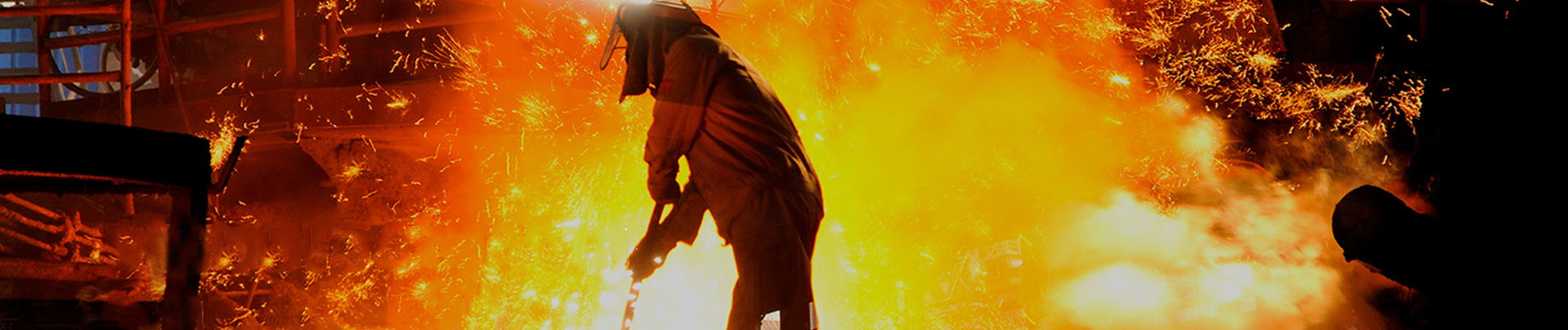
UNgiunto di dilatazione in tessuto non metallicoÈ particolarmente adatto per condotti di grandi dimensioni per aria e gas. Questi sistemi si trovano frequentemente in centrali elettriche, cementifici, acciaierie, forni industriali, sistemi di aspirazione delle polveri, apparecchiature di combustione e impianti di scarico.
Il fluido di processo è solitamente gassoso e la pressione è spesso relativamente bassa rispetto alle tubazioni di processo pressurizzate.
Un giunto di dilatazione metallico utilizza sottili nervature metalliche sagomate per creare flessibilità mantenendo al contempo il contenimento della pressione. I soffietti metallici sono ampiamente utilizzati in impianti a vapore, tubazioni di processo, impianti petrolchimici, chimici e altri sistemi ingegneristici in cui la pressione è un requisito progettuale fondamentale.
Questa differenza nell'ambiente di applicazione spiega molte delle differenze di prestazioni tra le due tecnologie.
La pressione è spesso il primo fattore che distingue un giunto di dilatazione in tessuto da un soffietto metallico.
I giunti in tessuto sono destinati principalmente alle canalizzazioni a bassa pressione. Il loro elemento flessibile è costituito da tessuti rivestiti, strati di rinforzo, membrane di tenuta e isolamento, anziché da un soffietto metallico a tenuta di pressione.
Si trovano comunemente in:
Un soffietto metallico può essere progettato per resistere a pressioni interne considerevolmente maggiori. La sua parete metallica ondulata è concepita per offrire sia flessibilità che contenimento della pressione.
Ciò rende i giunti di dilatazione metallici adatti ad applicazioni quali:
Regola di selezione:Se è necessario contenere una pressione significativa del sistema, i soffietti metallici dovrebbero essere valutati come prima opzione. I giunti di dilatazione in tessuto non devono essere considerati un sostituto diretto di un soffietto metallico a pressione nominale.
È nel movimento che i disegni sui tessuti diventano particolarmente attraenti.
Una cinghia in tessuto può deformarsi su un'area relativamente ampia. Ciò le consente di assorbire notevoli spostamenti assiali, laterali e angolari senza dover ricorrere a molteplici pieghe metalliche preformate.
Nei sistemi di condotti di grandi dimensioni, dove la dilatazione termica si verifica in più direzioni, ciò può semplificare notevolmente la disposizione dei giunti di dilatazione.
Anche i mantici metallici possono adattarsi a questi movimenti, ma la loro configurazione deve essere progettata specificamente per essi.
For example, larger lateral displacement may require a universal metallic expansion joint with multiple bellows and a center pipe rather than a single bellows element.
Therefore, when large lateral or combined movement is required in a low-pressure duct, afabric expansion jointis often the more practical design.
This is an important engineering difference that is often overlooked during purchasing.
A metallic bellows behaves like a mechanical spring. When it is compressed, extended or laterally displaced, it generates reaction forces that must be considered in the piping design.
These forces may influence:
Fabric expansion joints generally produce much lower spring forces because the flexible textile element is considerably softer than formed metal bellows.
For large duct systems connected to fans, furnaces or lightweight structural components, reducing these reaction loads can be a major advantage.
Fans, blowers, turbines and other rotating equipment can transmit vibration into connected ductwork.
A flexible fabric connector can help isolate some of this vibration because the textile belt does not create the same rigid mechanical path as solid ductwork.
This makes fabric expansion joints especially useful around:
Metal expansion joints can also accommodate vibration, but the movement amplitude, frequency and expected cycle life must be considered carefully in the bellows design.
For high-cycle vibration, neither product should be selected solely from a general product specification. Actual vibration data should be supplied to the manufacturer.
Large rectangular ductwork strongly favors fabric construction in many industrial systems.
Consider an exhaust duct measuring several meters across. Producing a metallic flexible element for such a large cross-section requires substantial metal fabrication and careful control of corner stresses.
A rectangular fabric joint can use a flexible belt installed around the perimeter of the duct, making very large dimensions more practical.
This is whyrectangular fabric expansion jointsare frequently seen in:
For these applications, size alone can significantly influence the final choice.
It is incorrect to assume that metal is always better at high temperature or that fabric automatically has a lower usable process temperature.
The two systems manage temperature differently.
Metallic bellows temperature capability is determined primarily by the selected alloy, design pressure, material strength at temperature and expected fatigue life.
Stainless steels and nickel-based alloys can be selected for elevated-temperature service.
A high-temperature fabric expansion joint may use several thermal layers rather than exposing one flexible membrane directly to the process gas.
A typical construction may include:
The insulation package can reduce the temperature reaching the external sealing materials.
Therefore, ahigh temperature fabric expansion jointshould be selected based on the full temperature gradient through the joint, not simply on the temperature rating of one fabric.
Hot flue gas and exhaust systems are among the most common applications for non-metallic designs.
These installations often combine:
That combination closely matches the strengths of fabric expansion joints.
Typical installations include:
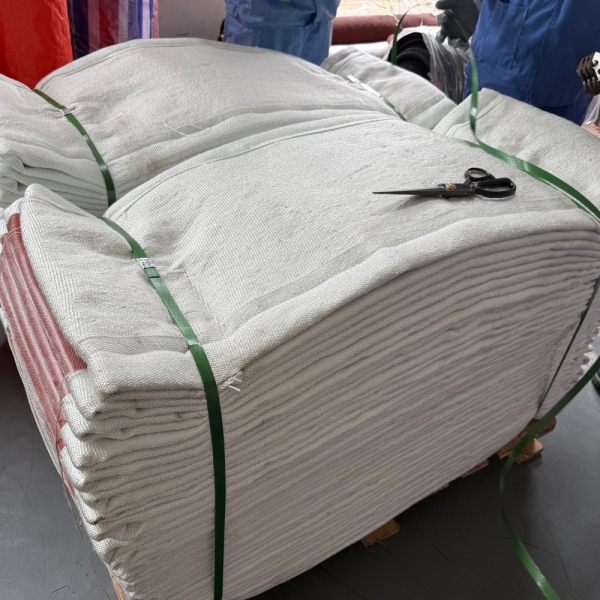
For customized designs, BSTFLEX manufacturesNon Metallic Fabric Expansion Jointsfor industrial ducting, hot-air, flue-gas and exhaust applications.
Corrosion resistance cannot be judged simply by comparing “fabric” with “metal.”
The actual materials must be compared.
A metallic expansion joint may use corrosion-resistant stainless steel or nickel alloy when aggressive media are present.
A fabric expansion joint may use chemical-resistant barrier layers such as PTFE-coated textiles or other compatible membrane systems.
Selection should consider:
Condensation is particularly important in flue-gas systems because chemical attack may become more severe when corrosive gases condense on cooler joint surfaces.
Neither fabric nor metallic bellows should necessarily be exposed directly to severe turbulent flow or abrasive particles without protection.
A fabric joint may use:
A metallic bellows may also require an internal liner to prevent erosion, turbulent excitation or direct impingement on the convolutions.
This means gas velocity, dust loading and flow direction should always be included in the expansion joint specification.
Available space can strongly affect the decision.
A fabric joint can often absorb considerable lateral movement within a relatively short flexible span.
Metallic systems can also accommodate large displacement, but may require more complex arrangements such as universal joints, hinged joints or gimbal configurations depending on movement direction.
However, there are also piping layouts where a compact metallic bellows is the more appropriate design.
Installation space should therefore be considered together with pressure and movement rather than as an isolated factor.
Fabric flexible elements are generally lighter than comparable large metallic assemblies.
This difference becomes increasingly important as duct dimensions increase.
Lower component weight can reduce loads during:
In very large rectangular duct systems, this can be an important practical advantage.
Fabric expansion joints are often designed with replaceable flexible belts.
If the surrounding steel frames remain serviceable, maintenance may involve replacing the flexible element rather than removing the complete assembly.
This can be useful in large duct installations where removing welded steel frames would create significant shutdown work.
Metal expansion joints generally require replacement or repair of the metallic bellows assembly when the bellows itself becomes damaged.
The actual maintenance cost depends on system design, accessibility, joint size and failure mode.
There is no meaningful universal statement such as “metal lasts longer than fabric.”
Service life depends on whether the joint was correctly designed for the application.
A fabric joint can fail prematurely because of:
A metal bellows can fail because of:
Correct engineering matters more than simply choosing one material category over another.
| Application | Usually Preferred | Reason |
|---|---|---|
| Large Low-Pressure Flue Gas Duct | Fabric Expansion Joint | Large size, flexibility and multidirectional movement |
| High-Pressure Steam Pipe | Metal Expansion Joint | Pressure containment requirement |
| Large Rectangular Exhaust Duct | Fabric Expansion Joint | Practical for large custom cross-sections |
| Fan Connection | Fabric Expansion Joint | Low reaction forces and vibration isolation |
| Pressurized Chemical Pipeline | Metal Expansion Joint | Pressure and mechanical requirements |
| Cement Kiln Exhaust Duct | Fabric Expansion Joint | Hot gas, large duct and substantial movement |
| Process Piping | Metal Expansion Joint | Engineered for piping pressure and code requirements |
| Large Boiler Flue Duct | Fabric Expansion Joint | Low-pressure hot-gas application |
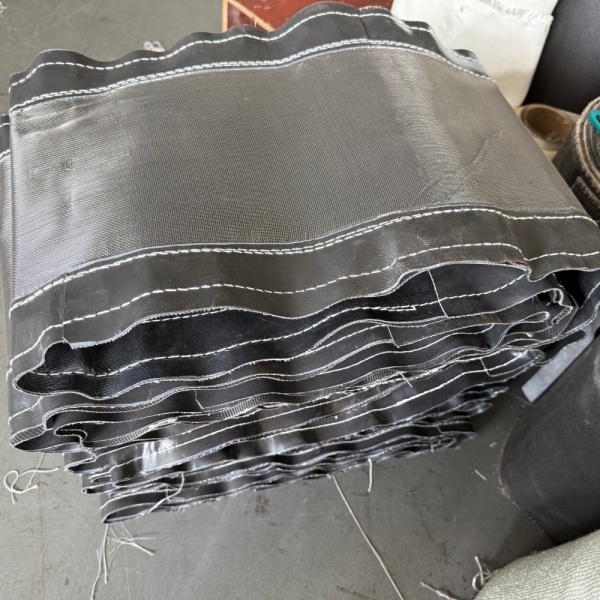
Afabric expansion jointshould be seriously considered when most of the following conditions are present:
This is the typical application envelope for anon metallic expansion joint.
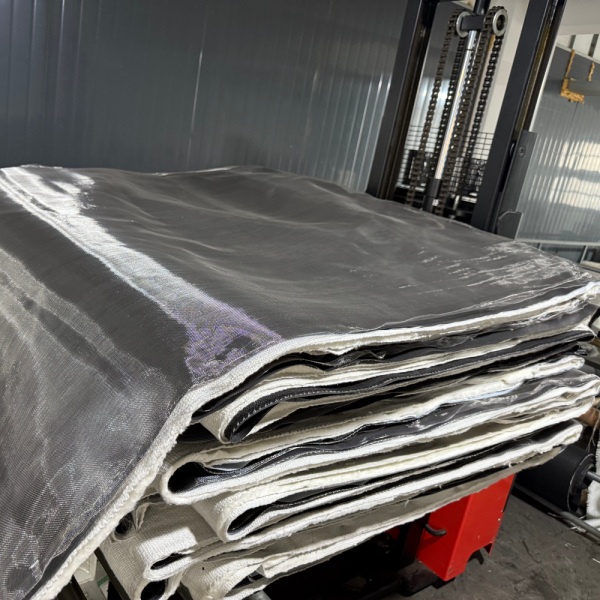
A metallic expansion joint should normally be evaluated first when:
Metallic bellows are engineered pressure-containing components and should be designed around system pressure, temperature, movement, material, fatigue life and piping loads.
Instead of asking, “Which expansion joint is better?” engineers should ask, “Which expansion joint architecture matches this system?”
Use the following sequence.
Is it a large duct or pressurized pipe?
Specify normal pressure, design pressure and whether the system operates under positive or negative pressure.
Provide both continuous operating temperature and maximum excursion temperature.
List axial compression, axial extension, lateral displacement and angular movement individually.
Specify hot air, exhaust gas, flue gas, steam, liquid or process chemical.
Include gas velocity, dust loading, abrasive particles and turbulence.
Determine how much reaction force can safely be transferred to fans, duct supports, equipment nozzles and anchors.
Confirm shape, dimensions, flange arrangement and available face-to-face installation length.
Consider a large rectangular flue-gas duct installed downstream of industrial combustion equipment.
The system has:
In this situation, a fabric expansion joint is often an efficient choice because it can combine large cross-section capability, multidirectional flexibility and low reaction forces.
Now consider a high-pressure steam line operating at elevated temperature.
Although thermal movement still exists, the system requires reliable pressure containment. A metallic bellows engineered for the piping pressure, temperature and movement is generally the appropriate technology.
These examples demonstrate why the operating system must determine the expansion joint type.
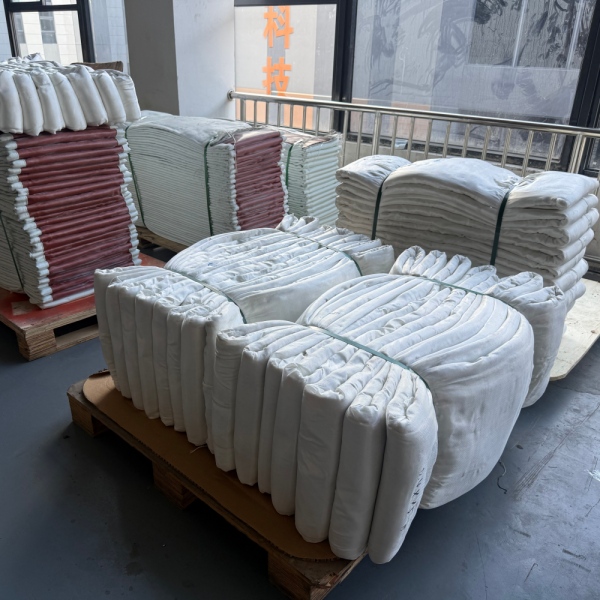
For either metallic or fabric designs, the quality of the engineering recommendation depends heavily on the information supplied.
For a custom fabric joint, BSTFLEX recommends providing:
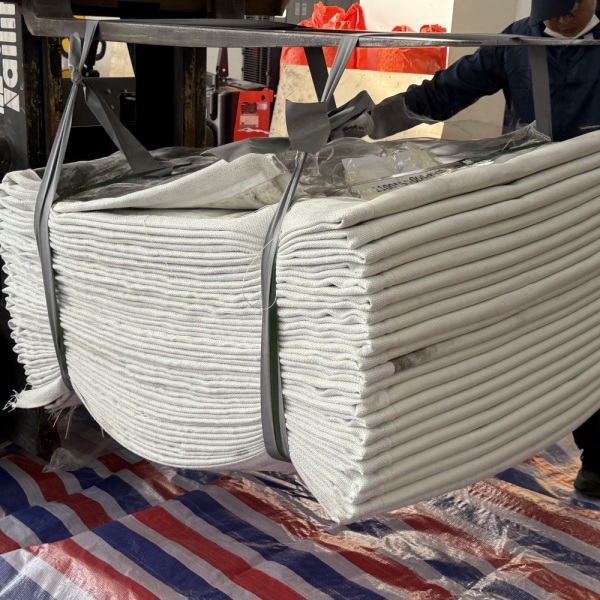
BSTFLEX manufactures custom non-metallic expansion joints for industrial hot-air, exhaust and flue-gas ducting systems.
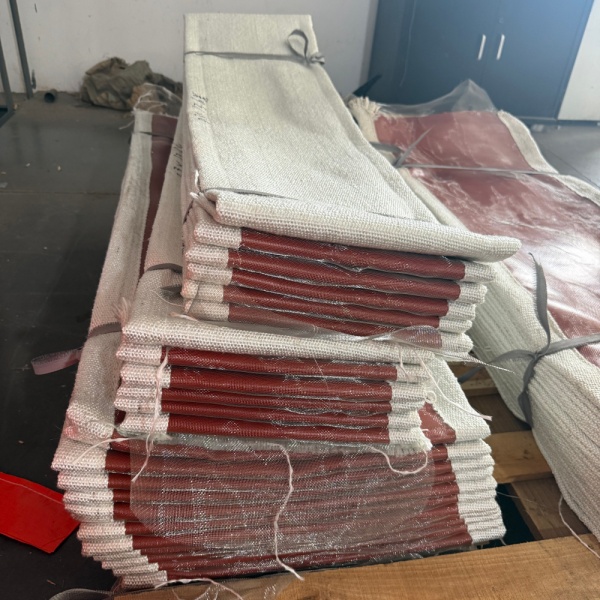
Depending on operating conditions, flexible constructions can incorporate technical fabrics, coated fiberglass, PTFE-based sealing layers, high-temperature insulation and protective components.
Round, rectangular and application-specific configurations can be manufactured according to customer drawings and operating data.
See theGiunto di dilatazione in tessuto non metallico BSTFLEXper opzioni di produzione personalizzate.
Se la vostra applicazione prevede l'utilizzo di un condotto industriale di grandi dimensioni per il trasporto di aria calda, gas di scarico o fumi, inviate a BSTFLEX il disegno e le condizioni operative per una valutazione.
Includere le dimensioni del condotto, la temperatura, la pressione, il fluido, il movimento assiale, il movimento laterale, la lunghezza da faccia a faccia e la quantità.
Richiedi un preventivo personalizzato per un giunto di dilatazione in tessuto

 English
 français
 Deutsch
 русский
 español
 português
 Nederlands
 العربية
 日本語
日本語 한국의
한국의 Türkçe
 Polski
 Tiếng Việt
 slovenský
 Indonesia